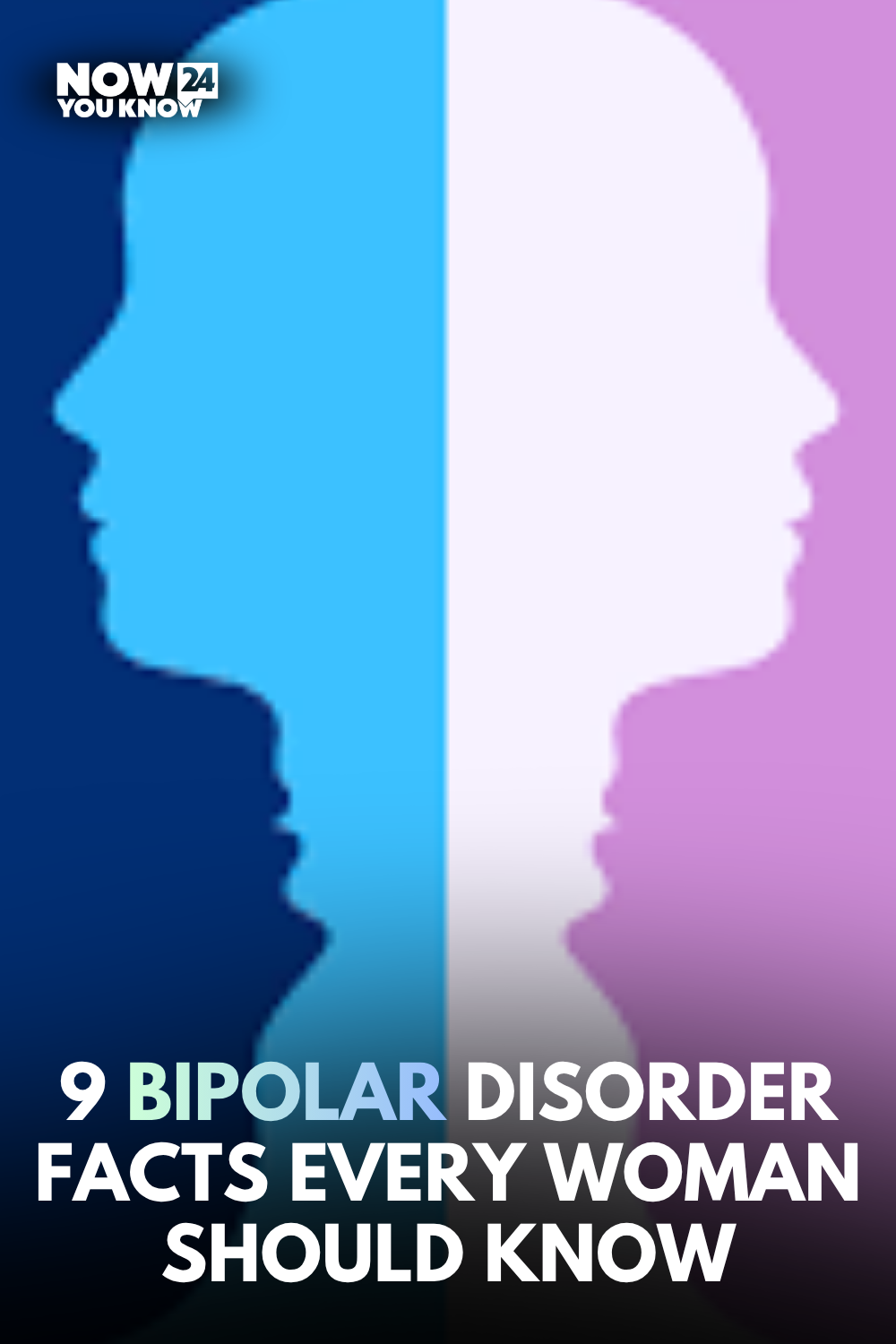

Bipolar disorder is a mental health condition that causes dramatic shifts in mood, energy, and activity levels. While it affects both men and women at similar rates, women often experience unique challenges due to hormonal changes, pregnancy, menstruation, and menopause.
Understanding how bipolar disorder presents in women can make it easier to recognize symptoms, seek treatment, and build effective coping strategies. Here are nine important facts every woman should know.
1. Bipolar Disorder Is More Than Mood Swings
Everyone experiences emotional highs and lows, but bipolar disorder involves extreme mood episodes that interfere with daily life.
These episodes typically include:
- Manic or hypomanic periods with unusually high energy
- Depressive episodes marked by sadness, hopelessness, or low motivation
- In some cases, mixed episodes where symptoms of both occur simultaneously
Without treatment, these episodes can significantly affect relationships, work, finances, and overall well-being.
2. There Are Different Types of Bipolar Disorder
Not everyone experiences bipolar disorder the same way.
The most common forms include:
- Bipolar I: At least one manic episode, sometimes with depressive episodes.
- Bipolar II: Recurrent depression combined with hypomania, a milder form of mania.
- Cyclothymic Disorder: Ongoing mood fluctuations that don’t fully meet the criteria for Bipolar I or II but still impact daily life.
A proper diagnosis is essential because treatment varies depending on the type.
3. Hormones Can Influence Symptoms
Hormonal fluctuations can play a significant role in bipolar symptoms for many women.
Symptoms may become more noticeable during:
- Menstrual cycles
- Premenstrual syndrome (PMS)
- Pregnancy
- Postpartum recovery
- Perimenopause and menopause
These hormonal changes may increase the risk of mood episodes or trigger relapses, making symptom tracking especially helpful.
4. Women Often Experience More Depressive Episodes
Although bipolar disorder affects both sexes equally, women are generally more likely to experience prolonged depressive episodes.
Symptoms can include:
- Persistent sadness
- Fatigue
- Loss of interest in favorite activities
- Difficulty concentrating
- Feelings of worthlessness
- Sleep disturbances
Because depression often appears first, bipolar disorder may initially be mistaken for major depressive disorder.
5. Rapid Cycling Is More Common in Women
Rapid cycling refers to experiencing four or more mood episodes within a single year.
This pattern is associated with:
- Increased depression
- Higher anxiety levels
- Greater suicide risk
- Thyroid problems
- Substance misuse
Rapid cycling can make bipolar disorder more difficult to manage, but proper treatment often helps reduce episodes.
6. Diagnosis Can Take Time
Bipolar disorder shares symptoms with several other conditions, including:
- Depression
- ADHD
- Anxiety disorders
- Certain personality disorders
Hormonal changes can further complicate diagnosis in women. Healthcare providers often review medical history, family history, symptom patterns, and mood changes over time before confirming a diagnosis.
7. Treatment Usually Combines Medication and Therapy
Although bipolar disorder has no cure, it is highly manageable with appropriate treatment.
Common treatment options include:
- Mood stabilizers
- Antipsychotic medications
- Anticonvulsants
- Psychotherapy
- Lifestyle changes that support emotional stability
Some individuals with severe symptoms may also benefit from electroconvulsive therapy (ECT) when other treatments aren’t effective.
8. Self-Care Plays an Important Role
Daily habits can make a meaningful difference in managing bipolar disorder.
Helpful self-care practices include:
- Maintaining a regular sleep schedule
- Eating balanced, nutritious meals
- Managing stress
- Exercising regularly
- Avoiding alcohol and recreational drugs
- Taking medications exactly as prescribed
Tracking mood changes can also help identify personal triggers before symptoms worsen.
9. Recovery Is Possible With the Right Support
Living with bipolar disorder doesn’t mean you can’t have a fulfilling life.
Many women successfully manage their symptoms through:
- Ongoing medical care
- Therapy
- Support from family and friends
- Peer support groups
- Healthy daily routines
Learning your triggers and recognizing early warning signs can help reduce the severity of future episodes and improve long-term quality of life.
Final Thoughts
Bipolar disorder affects every woman differently, but understanding the condition is one of the most powerful tools for managing it. With an accurate diagnosis, effective treatment plan, and consistent self-care, many women are able to build stable, healthy, and rewarding lives.
If you or someone you know is experiencing symptoms of bipolar disorder, speaking with a qualified mental health professional is an important first step toward getting the support and treatment needed.