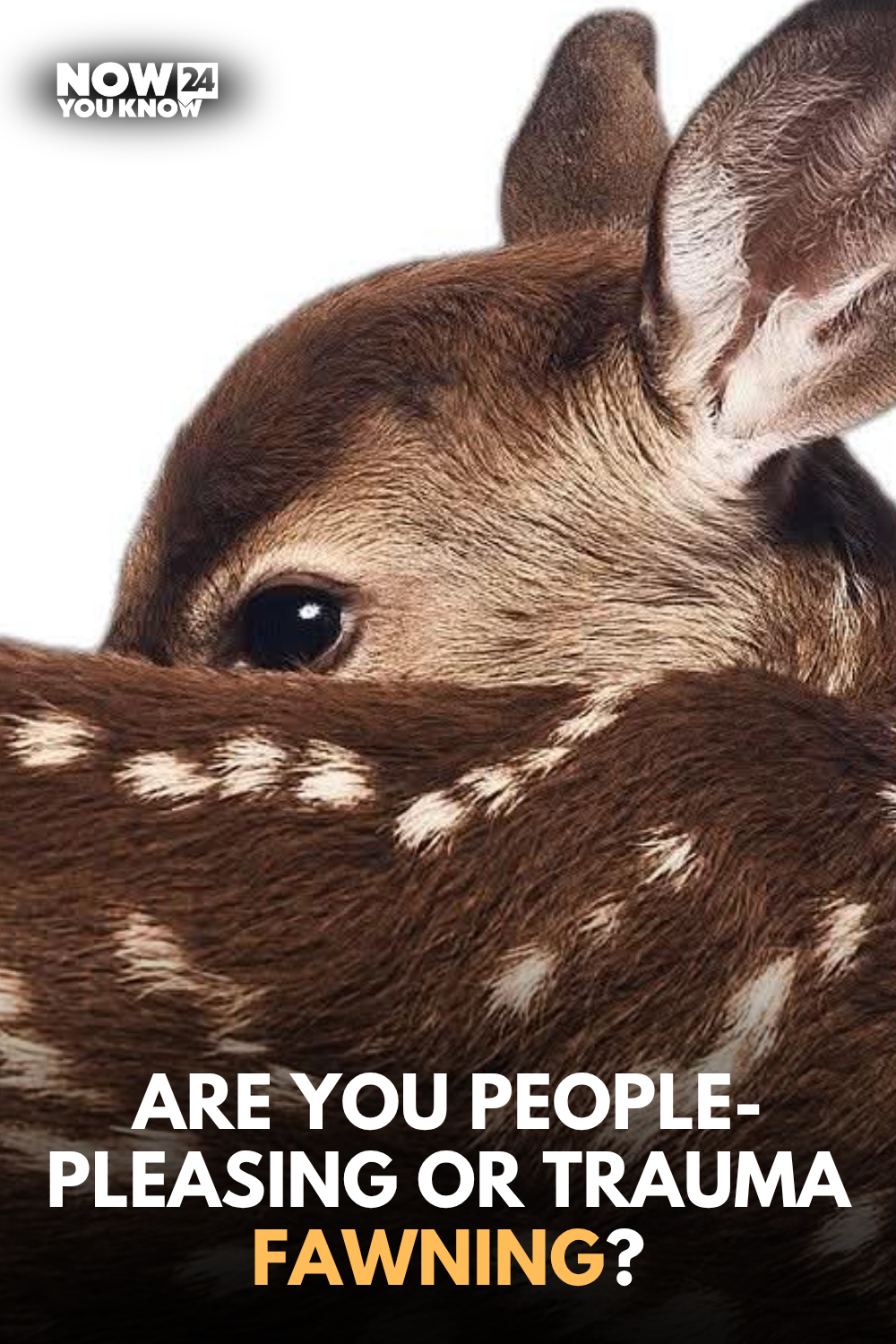

Most people think of stress responses as fight, flight, or freeze. But there’s a lesser-known fourth response that plays a powerful role in how some people navigate relationships and conflict: fawning.
Fawning is often misunderstood as simple people-pleasing. In reality, it can be a deeply rooted survival response linked to trauma, fear, and the need to stay emotionally or physically safe.
Understanding it is an important step toward recognizing patterns that may be harming your well-being—and learning how to build healthier boundaries.
What Is Fawning?
Fawning is a trauma response where a person tries to avoid conflict, harm, or rejection by pleasing others.
Instead of defending themselves or walking away, they may:
- Agree with others even when they disagree
- Over-apologize or take blame unnecessarily
- Struggle to say “no”
- Prioritize other people’s needs over their own
- Suppress their own emotions to keep others comfortable
At its core, fawning is about safety through appeasement. The nervous system learns that keeping others happy reduces the risk of conflict or danger.
Why Does Fawning Happen?
Fawning often develops in environments where conflict felt unsafe or unpredictable.
This can include:
- Childhood emotional neglect or criticism
- Abusive or controlling relationships
- Situations involving manipulation or gaslighting
- Growing up in environments where approval was conditional
- Any experience where disagreement led to punishment or rejection
In these situations, people may learn that being agreeable is safer than being authentic.
Over time, this survival strategy can become automatic—even in situations that are no longer dangerous.
Fawning vs Healthy People-Pleasing
It’s important to distinguish between occasional kindness and trauma-based fawning.
Healthy behavior looks like:
- Helping someone because you genuinely want to
- Setting limits when needed
- Being able to say no without fear
Fawning, on the other hand, often involves:
- Fear of rejection or punishment
- Anxiety when setting boundaries
- Feeling responsible for other people’s emotions
- Losing touch with personal needs and preferences
In fawning, agreement is not a choice—it feels like a necessity.
Common Signs of Fawning
Fawning can show up in subtle but consistent ways, such as:
- Difficulty expressing disagreement
- Over-explaining decisions
- Avoiding conflict at all costs
- Feeling guilty for having needs
- Automatically agreeing with others
- Taking responsibility for problems you didn’t cause
- Prioritizing harmony over honesty
Many people who fawn are often seen as “easygoing” or “very helpful,” even when they are struggling internally.
The Emotional Impact of Fawning
While fawning may reduce conflict in the short term, it can have long-term emotional consequences.
These may include:
- Loss of personal identity or sense of self
- Chronic stress or burnout
- Difficulty forming authentic relationships
- Resentment from unmet needs
- Anxiety around disapproval
- Emotional exhaustion from constantly managing others
Because needs are consistently pushed aside, emotional balance becomes harder to maintain.
Can Fawning Be Unlearned?
Yes—fawning is a learned survival response, which means it can be changed over time.
Healing often involves rebuilding awareness of your own emotions, needs, and boundaries.
Ways to Begin Healing from Fawning
1. Notice Your Automatic “Yes”
Start paying attention to moments where you agree quickly without checking in with yourself.
Ask:
- Do I actually want this?
- Am I afraid to say no?
2. Reconnect With Your Needs
Many people who fawn struggle to identify their own preferences.
Try simple questions like:
- What do I feel right now?
- What do I need in this moment?
3. Practice Small Boundaries
You don’t need dramatic changes. Start with small, safe situations:
- Delaying responses instead of answering immediately
- Saying “let me think about it”
- Declining minor requests
4. Tolerate Discomfort Gradually
Setting boundaries may initially feel uncomfortable or even unsafe.
That discomfort often reflects old survival patterns—not current danger.
5. Seek Professional Support
Therapy can be especially helpful for addressing trauma-based responses like fawning. Approaches such as trauma-focused therapy, EMDR, or CBT can support recovery and boundary development.
Supporting Someone Who Fawns
If someone close to you shows fawning behaviors, patience is key.
Helpful approaches include:
- Reassuring them it’s safe to express their needs
- Avoiding pressure to “just be more assertive”
- Encouraging open communication without judgment
- Respecting boundaries when they begin to set them
Recovery is gradual, especially when fawning has been reinforced over many years.
Final Thoughts
Fawning is not a personality flaw—it is a survival strategy that once served a purpose.
But what once helped someone stay safe can later make it difficult to feel heard, respected, or emotionally balanced.
Learning to recognize fawning is the first step toward rebuilding boundaries, rediscovering personal needs, and forming relationships based on authenticity rather than fear.