




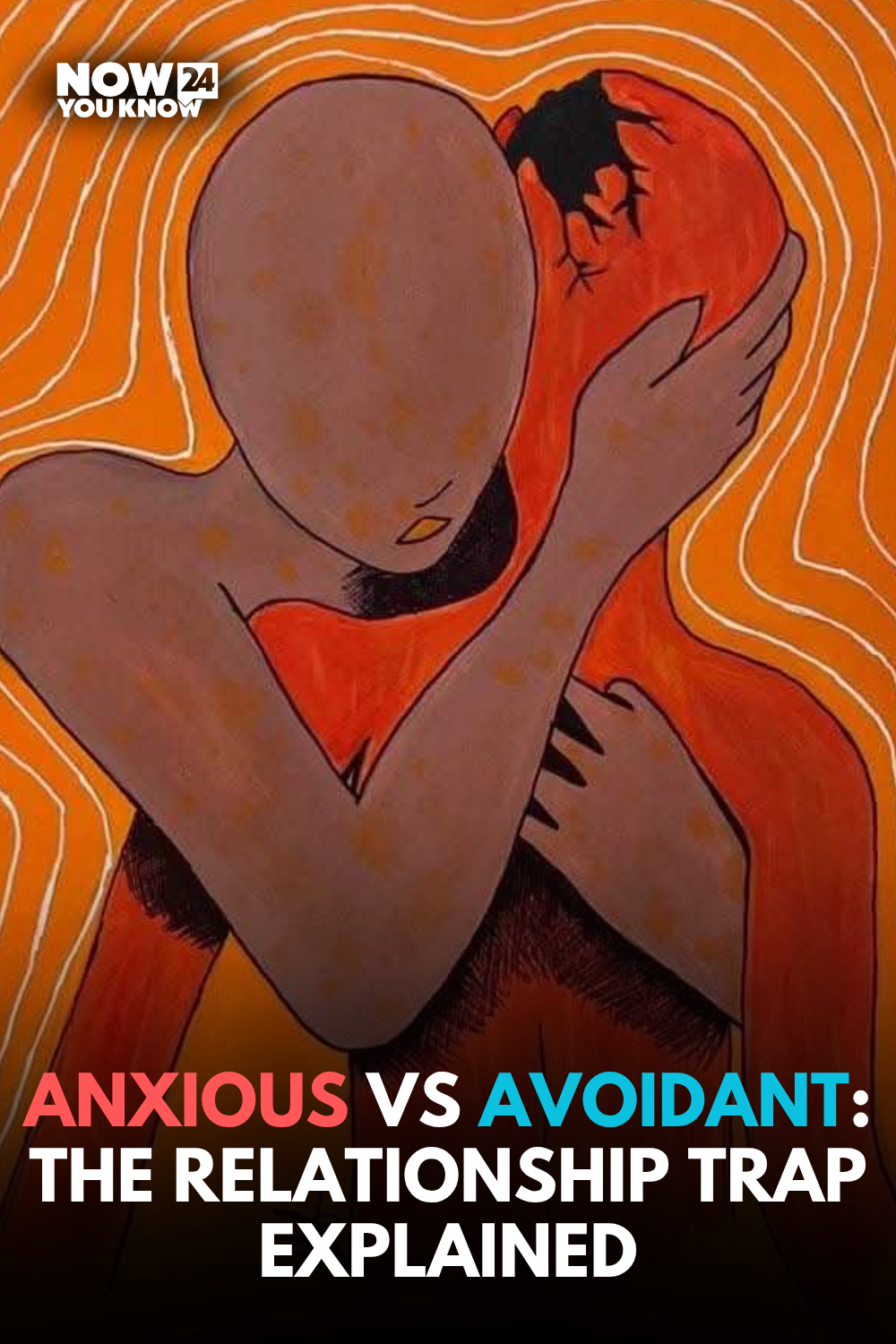

If your relationships feel like they follow a familiar script — intense closeness followed by confusion, distance, or emotional stress — there may be a deeper explanation behind it.
Psychologists often describe these patterns through attachment theory, which suggests that our early experiences with caregivers shape how we connect with others later in life.
Two of the most common insecure attachment styles are anxious attachment and avoidant attachment. While they develop in different ways, they often create a powerful and repeating cycle in adult relationships.
What Is Anxious Attachment?
Anxious attachment is often linked to inconsistency in early relationships. People with this pattern tend to:
- Worry about being abandoned or rejected
- Seek frequent reassurance
- Overthink communication and emotional signals
- Feel emotionally dependent on closeness
At the core, there is often a deep fear: “What if I’m not enough and they leave?”
This can lead to behaviors like over-texting, over-analyzing, or needing constant confirmation of love.
What Is Avoidant Attachment?
Avoidant attachment usually develops when emotional needs were not consistently met or were discouraged in childhood.
People with this style often:
- Value independence highly
- Feel uncomfortable with emotional intensity
- Withdraw during conflict or stress
- Struggle to express vulnerability
At the core, the internal belief may be: “Depending on others isn’t safe.”
So when emotions get intense, distance feels like protection.
The Cycle That Keeps Repeating
When anxious and avoidant attachment come together, they often form a push-pull dynamic:
- One partner seeks closeness and reassurance
- The other feels overwhelmed and pulls away
- The more one pursues, the more the other distances
- Both end up feeling misunderstood and emotionally unsafe
This cycle isn’t about blame — it’s about two different protection systems reacting to perceived emotional threat.
Can This Pattern Be Changed?
Yes — attachment styles are not fixed.
With awareness and practice, people can move toward secure attachment, which allows for:
- Healthier communication
- Emotional stability in relationships
- Better boundaries
- Stronger trust and connection
Change usually begins with recognizing your patterns, learning emotional regulation skills, and building safer relationship experiences over time.
Final Thought
If you see yourself in these patterns, it doesn’t mean something is “wrong” with you.
It means your nervous system learned ways to protect you — and now those same strategies may simply no longer be serving your relationships.
Awareness is the first step toward change.