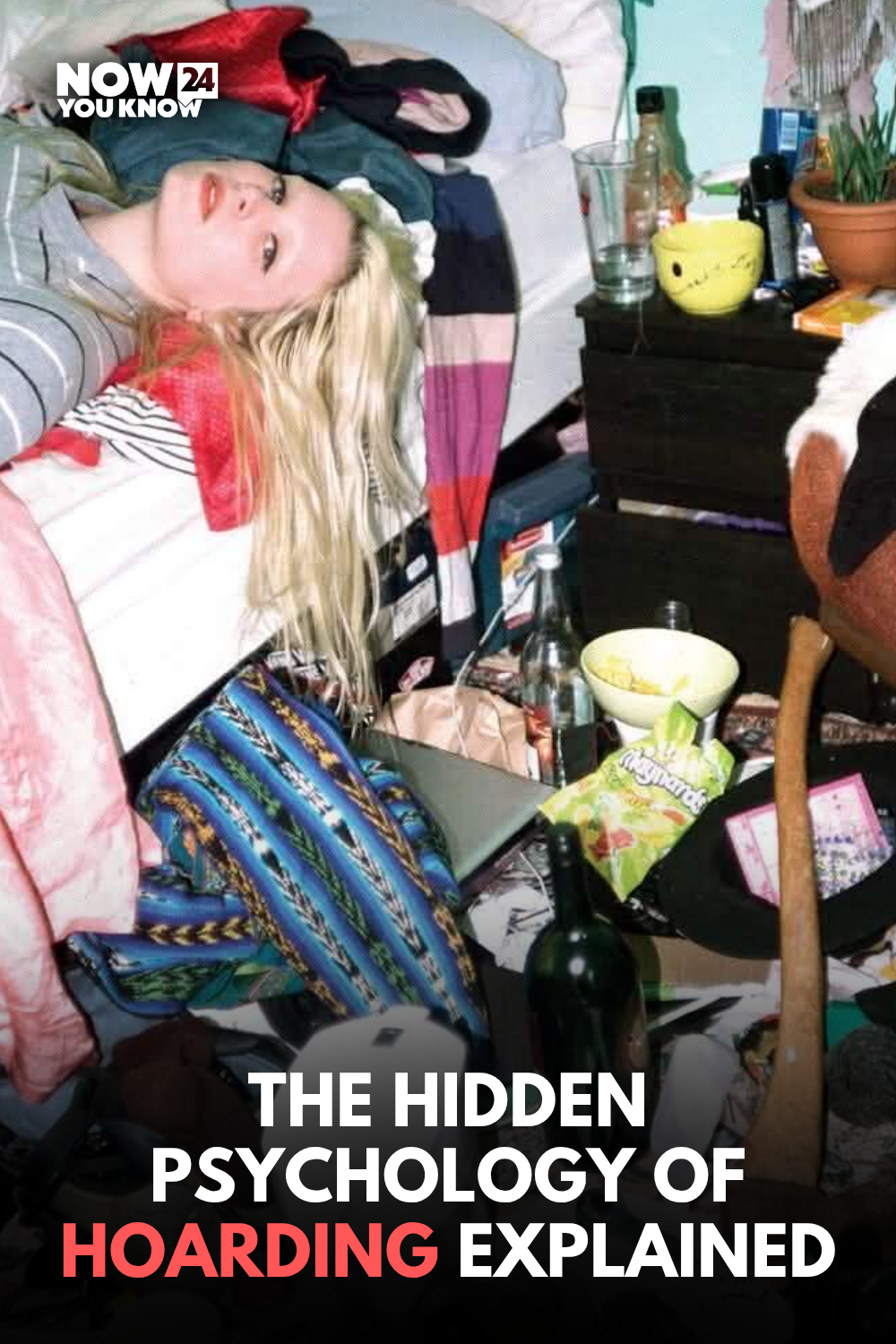

Hoarding is often portrayed in extreme ways on television — homes overflowing with items, rooms no longer usable, and emotional distress tied to even the smallest object.
But behind the visuals is a complex psychological condition that affects an estimated 1 in 50 people.
Hoarding disorder is not simply about clutter. It is a deeply rooted difficulty in discarding possessions, even when those items have little or no practical value.
Why Do People Hoard?
At the center of hoarding behavior is often anxiety and emotional distress.
For many individuals, possessions are not just “things” — they can represent:
- Safety
- Memory
- Comfort
- Control
Letting go of items can trigger intense emotional reactions, including fear, guilt, or panic. In some cases, discarding something can feel as distressing as losing a part of oneself.
The Emotional Cycle of Hoarding
Hoarding often follows a reinforcing cycle:
- Acquiring items reduces anxiety temporarily
- Clutter builds up over time
- The environment becomes overwhelming
- Decision-making becomes more difficult
- Anxiety increases when trying to discard items
This creates a loop where keeping things both relieves and increases distress at the same time.
When Does It Become a Disorder?
Not everyone who keeps things is a hoarder.
Psychologists typically define hoarding disorder by its impact on daily life, including:
- Persistent difficulty discarding items
- Severe distress when trying to throw things away
- Clutter that disrupts living spaces
- Significant emotional or functional impairment
When storage begins to interfere with safety, relationships, or daily functioning, it may indicate a clinical concern.
Possible Causes and Risk Factors
The exact cause of hoarding is not fully understood, but research suggests several contributing factors:
- Traumatic or stressful life events
- Chronic difficulty with decision-making
- Family history of hoarding behavior
- Social isolation or emotional withdrawal
Hoarding often begins subtly, sometimes in adolescence, and may gradually increase over time.
A Psychological Perspective
Rather than viewing hoarding as simple “messiness,” psychologists understand it as a coping strategy for managing internal distress.
For some individuals, possessions become a way to:
- Regulate anxiety
- Create a sense of control
- Avoid emotional discomfort
While this may offer short-term relief, it can lead to long-term challenges in daily living.
Final Thought
Hoarding is not about laziness or lack of discipline.
It is a complex psychological condition shaped by emotion, anxiety, and sometimes trauma.
Understanding this can help shift the conversation from judgment to empathy — and open the door to support and healing.