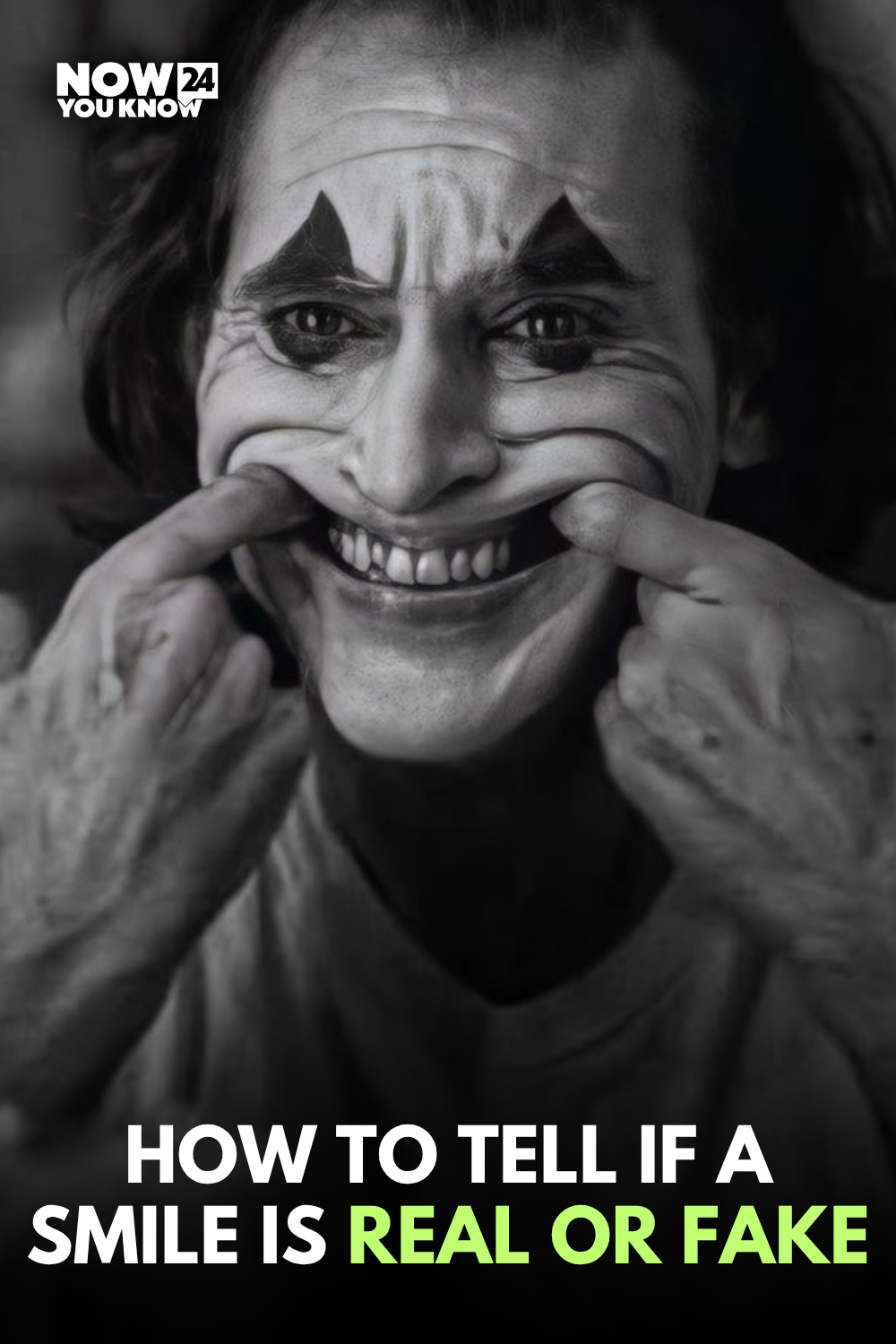

A smile can brighten someone’s day, but not every smile means the same thing. While some reflect genuine happiness, others are simply polite gestures used in social situations. Surprisingly, the difference often comes down to a few tiny facial muscles.
Experts say a real smile, known as a Duchenne smile, involves both the mouth and the eyes. The corners of the mouth lift, while the muscles around the eyes tighten slightly, creating the familiar “crow’s feet” that many people associate with warmth and authentic happiness.
A fake or polite smile usually tells a different story. Although the mouth may appear cheerful, the eyes often remain unchanged. This is why some smiles can feel forced or insincere, even if you can’t immediately explain why.
Scientists believe this happens because genuine smiles are driven by the brain’s emotional centers, making them difficult to fake. Polite smiles, on the other hand, are usually controlled consciously, allowing people to smile even when they don’t truly feel happy.
Research suggests humans are surprisingly good at spotting the difference. Even babies can recognize genuine smiles from forced ones, which may have helped people build trust and identify sincere social connections throughout history.
That doesn’t mean fake smiles are always dishonest. They often play an important role in everyday life by helping people avoid conflict, show courtesy, or make uncomfortable situations feel a little easier. However, constantly forcing a smile, especially at work, may contribute to stress and emotional exhaustion over time.
The next time you’re trying to read someone’s expression, pay attention to more than just their mouth. The eyes often reveal whether a smile is heartfelt or simply a social gesture, reminding us that our emotions are written across our faces in subtle but meaningful ways.