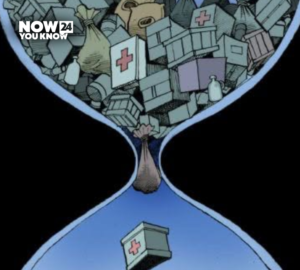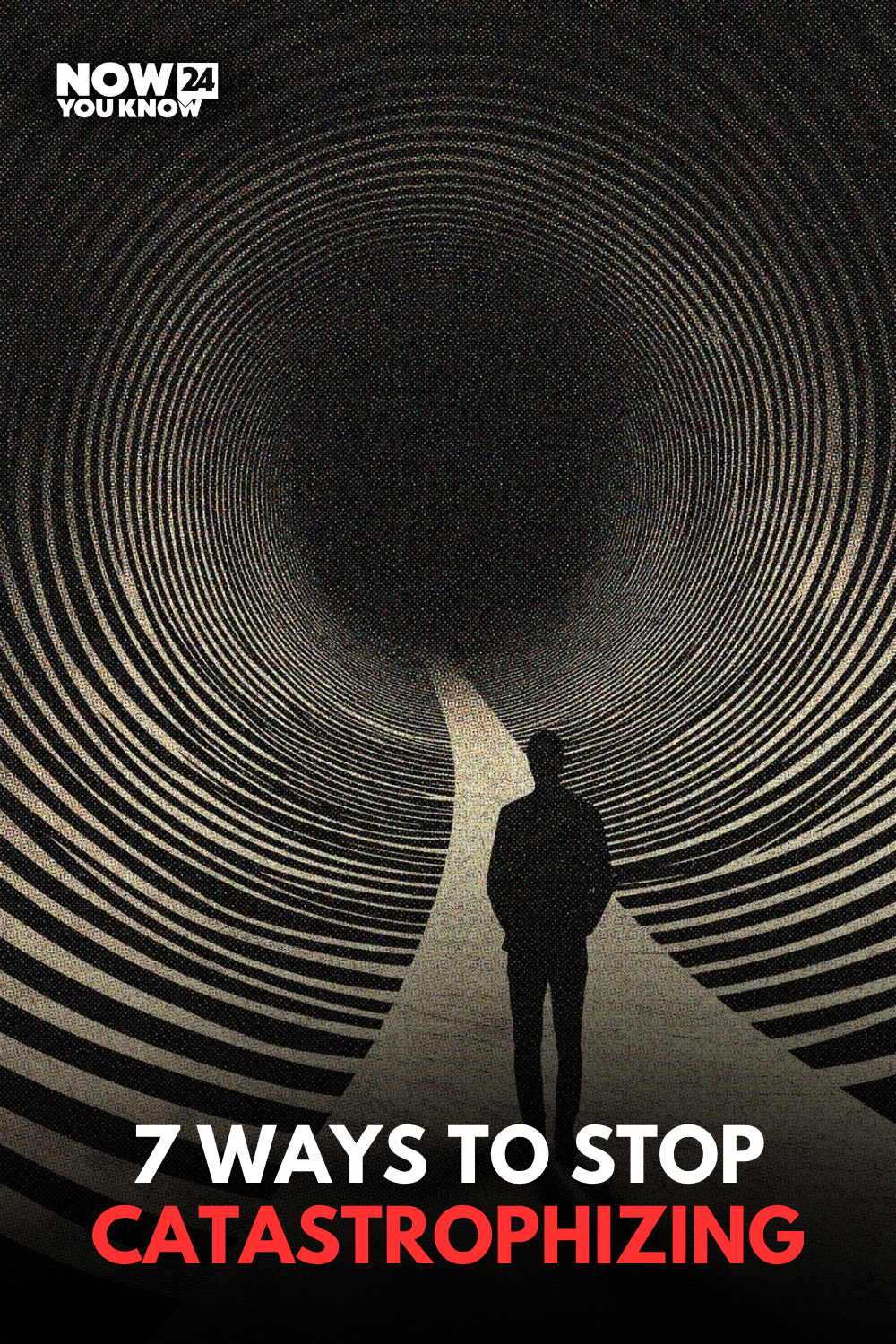

Everyone worries from time to time, but catastrophizing takes worry a step further. It’s the habit of assuming the worst possible outcome will happen, even when there’s little evidence to support it. This pattern of thinking can increase stress, fuel anxiety, and make everyday challenges feel overwhelming.
The good news is that catastrophizing is a learned thinking habit, which means it can also be changed with practice.
What Is Catastrophizing?
Catastrophizing is a type of negative thinking pattern where your mind jumps straight to the worst-case scenario. For example, failing one test may suddenly feel like you’ll never succeed, or a small health concern may convince you something serious is wrong.
These thoughts often feel convincing, but they usually don’t reflect reality.
Common Signs of Catastrophic Thinking
You may be catastrophizing if you often:
- Assume the worst outcome is certain.
- Constantly replay negative scenarios in your mind.
- Believe one setback will ruin everything.
- Feel overwhelmed by situations before they happen.
- Struggle to see positive or realistic possibilities.
Recognizing these patterns is the first step toward changing them.
7 Ways to Stop Catastrophizing
1. Notice the Thought
Pay attention when your mind starts imagining worst-case scenarios. Simply recognizing, “I’m catastrophizing right now,” creates space between you and the thought.
2. Challenge Your Assumptions
Ask yourself questions like:
- What’s the actual evidence this will happen?
- Have I handled difficult situations before?
- What’s the most likely outcome instead?
Looking at the facts can reduce unnecessary fear.
3. Interrupt the Thought Spiral
When you catch yourself spiraling, mentally say “Stop” or redirect your attention to another activity. Breaking the cycle early can prevent anxiety from growing.
4. Consider Other Possibilities
Instead of focusing only on disaster, think about more balanced outcomes. Things may not go perfectly, but they also may not turn out nearly as badly as you imagine.
5. Practice Self-Care
Stress, poor sleep, and exhaustion can make catastrophic thinking more likely. Prioritize regular sleep, healthy meals, exercise, and relaxation techniques like deep breathing or meditation.
6. Stay Present
Mindfulness helps bring your attention back to what’s happening right now instead of worrying about imagined future events. Focusing on your breathing or your surroundings can help calm racing thoughts.
7. Seek Support When Needed
If catastrophic thinking happens frequently or interferes with your daily life, consider talking with a mental health professional. Therapies like cognitive behavioral therapy (CBT) can help you recognize and replace unhelpful thinking patterns.
When Catastrophizing May Be Linked to Mental Health
Frequent catastrophizing is often associated with anxiety disorders, depression, obsessive-compulsive disorder (OCD), and chronic pain. It doesn’t necessarily mean you have one of these conditions, but persistent symptoms deserve attention.
If your worries are becoming overwhelming, affecting your relationships, work, or sleep, don’t hesitate to seek professional guidance.
Final Thoughts
Everyone experiences negative thoughts occasionally, but catastrophizing doesn’t have to control your life. By learning to recognize unhelpful thought patterns, challenging unrealistic fears, and practicing healthier coping strategies, you can gradually build a calmer, more balanced mindset.
Small changes in the way you respond to your thoughts can make a big difference over time.