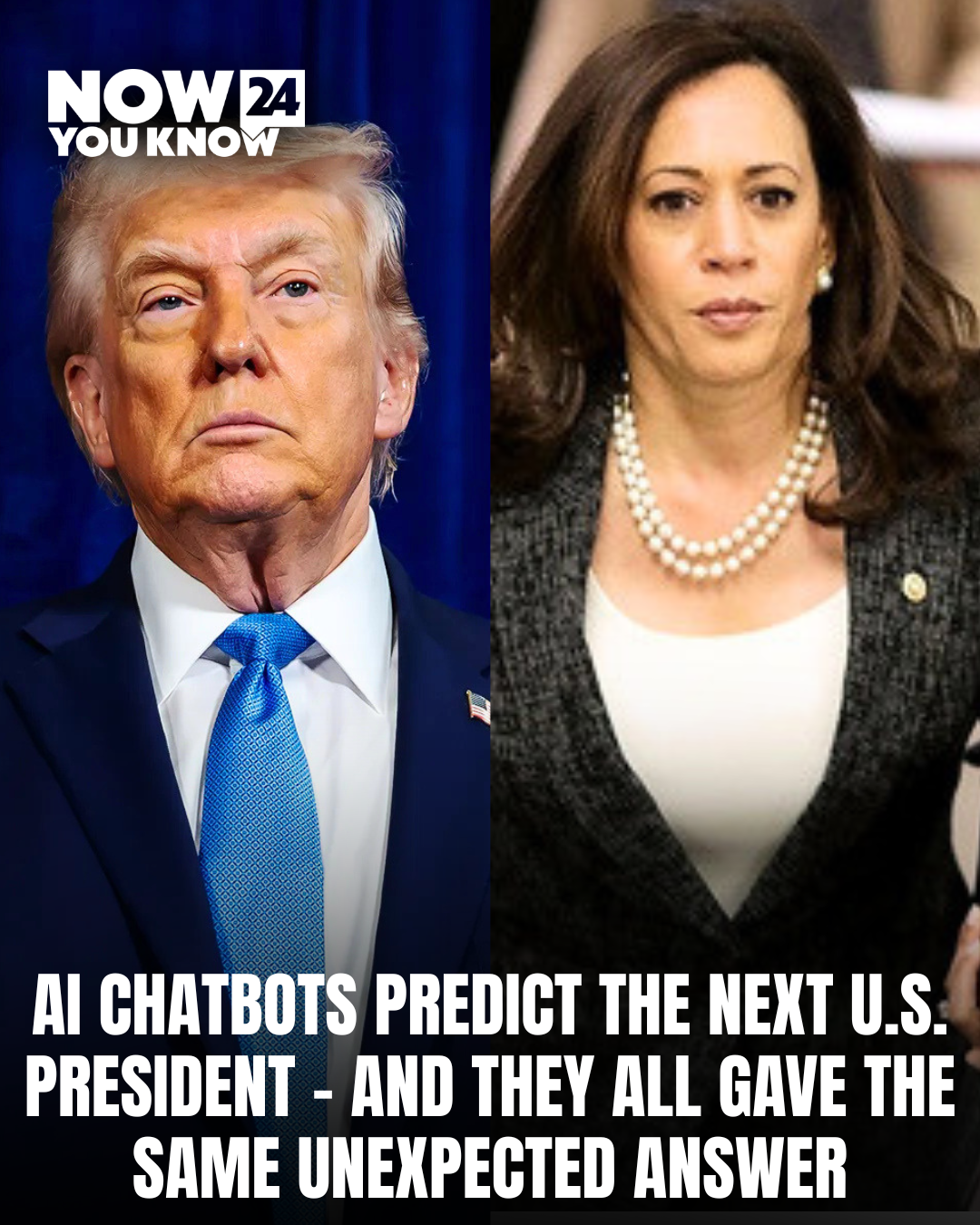

In a series of fascinating interactions reported on May 11, 2026, the world’s top four AI chatbots—ChatGPT, Claude, Grok, and Google Gemini—were asked to forecast the winner of the 2028 US Presidential Election. While the bots largely agreed that the 22nd Amendment would prevent Donald Trump from running for a third term, their predictions for his successor revealed a sharp divide in how AI interprets political data.
Most notably, JD Vance was identified by three of the four bots as the current Republican frontrunner, while Gavin Newsom and Josh Shapiro lead the speculative field for the Democrats.
The Findings: Chatbot by Chatbot
| AI Model | Prediction for 2028 | Key Reasoning |
| ChatGPT (OpenAI) | JD Vance (40% chance) | Inherits Trump’s base; high CPAC straw poll numbers (53%). |
| Claude (Anthropic) | Undecided (Speculative) | Cites high GOP momentum (36% vs 30%); notes Vance’s “incumbent advantage.” |
| Grok (xAI) | JD Vance | Highlights Vance “crushing the field” in GOP polls (42-47%); dismisses Trump 3rd term. |
| Gemini (Google) | Refused to Predict | Claims it has no “crystal ball”; focuses on the unpredictability of primary survival. |
The Donald Trump “Third Term” Debate
The chatbots were unanimous on the legal reality: the 22nd Amendment prohibits a president from being elected more than twice. Grok was particularly blunt, stating there is “essentially zero realistic chance” of Trump serving again. However, ChatGPT offered a “spicy bonus take,” suggesting Trump will remain a “kingmaker” and media force who effectively hand-picks the 2028 nominee.
Republican Frontrunners: The Vance Momentum
JD Vance is currently the clear favorite among AI models that provide speculative data. This reflects real-world shifts in 2026, where Vance’s profile as Vice President and his dominant performance in recent straw polls (reaching as high as 53% support) have solidified his position as the “heir apparent” to the MAGA movement.
Democratic Field: A Fluid Race
While the Republican path appears clear to AI, the Democratic side is seen as “messy.”
-
Gavin Newsom: Currently favored by betting platforms and cited by Claude and ChatGPT as a top contender.
-
Josh Shapiro: Mentioned by ChatGPT as a high-potential (25% chance) “mainstream” alternative.
-
Alexandria Ocasio-Cortez: Emerging as a potential populist challenger, though currently polling in single digits according to Grok’s data.
Why the “Unexpected” Answers Matter
The refusal of Google Gemini to offer a name contrasts sharply with the bold 40% win-probability given by ChatGPT. This highlights a growing divide in AI safety protocols:
-
Aggressive Forecasting: Models like Grok and ChatGPT synthesize polling and betting odds to provide a “weighted guess.”
-
Safe Neutrality: Models like Gemini are programmed to avoid making definitive political claims that could be interpreted as interference or misinformation.