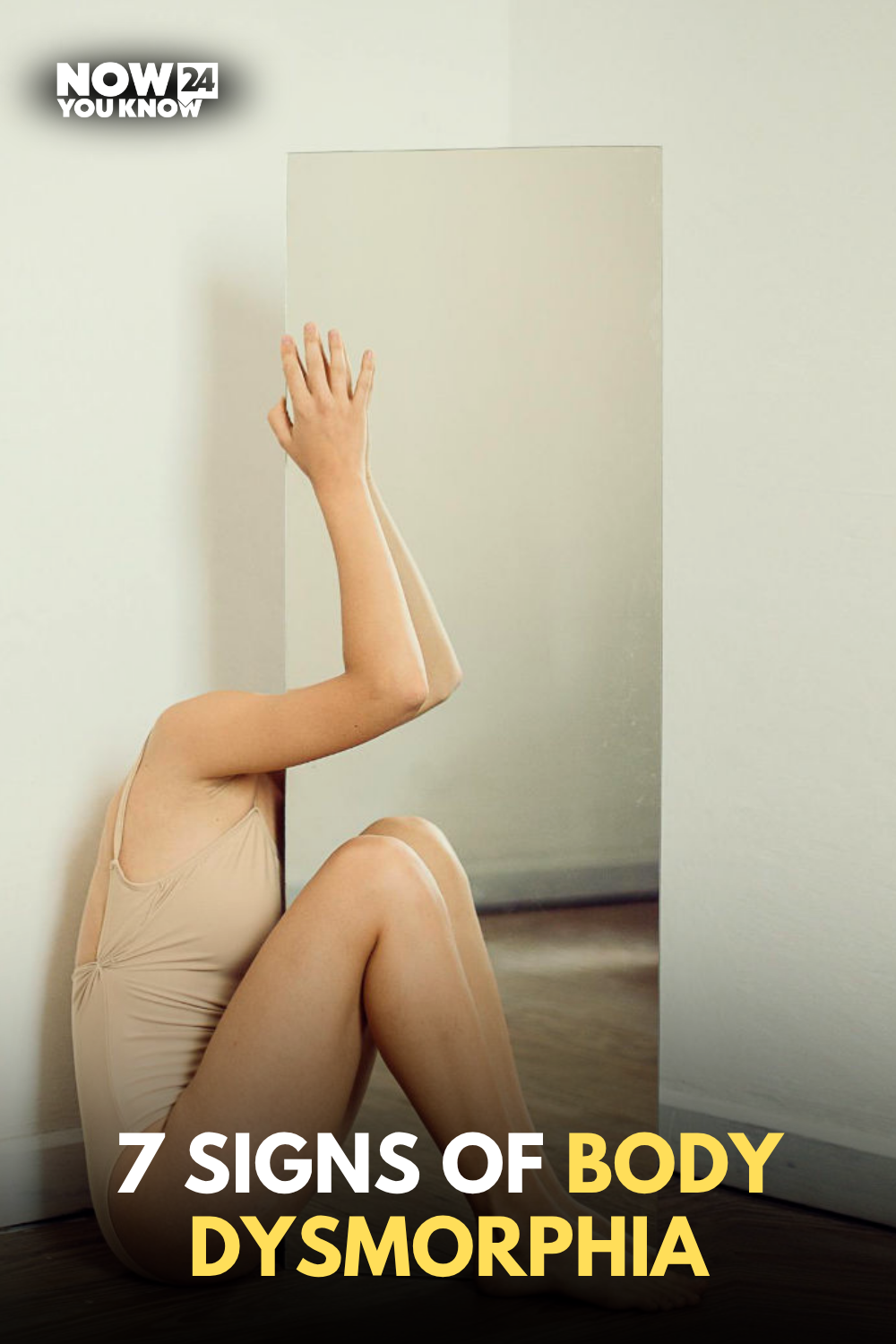

Many people have something about their appearance they wish they could change. It might be a scar, a crooked nose, acne, or a few extra pounds. While these thoughts may come and go, they usually don’t interfere with everyday life.
For people living with Body Dysmorphic Disorder (BDD), however, those concerns become overwhelming. They can spend hours every day thinking about a flaw that other people barely notice—or cannot see at all. The condition can affect relationships, careers, education, and overall quality of life.
The good news is that BDD is highly treatable with the right support.
What Is Body Dysmorphic Disorder?
Body Dysmorphic Disorder is a mental health condition in which a person becomes intensely preoccupied with one or more perceived flaws in their appearance.
These flaws are usually minor or invisible to others, yet they feel devastating to the person experiencing them. The thoughts become obsessive and often lead to repetitive behaviors aimed at checking, hiding, or fixing the perceived defect.
BDD affects an estimated 2% to 3% of people worldwide and often begins during the teenage years.
Common Signs and Symptoms
People with BDD may experience:
- Constant worry about a specific body part
- Frequent mirror checking or avoiding mirrors completely
- Taking countless selfies or refusing to be photographed
- Excessive grooming or touching the perceived flaw
- Covering the area with makeup, clothing, hats, or hairstyles
- Repeatedly asking others for reassurance
- Comparing themselves to others throughout the day
- Avoiding school, work, dating, or social events because of appearance concerns
Many people spend three to eight hours every day consumed by these thoughts and rituals.
BDD Is More Than Low Self-Esteem
Body dysmorphia is not simply being insecure or wanting to improve your appearance.
Research suggests that people with BDD process visual information differently. Their brains tend to focus intensely on tiny details rather than seeing the whole picture, making even minor imperfections feel enormous and impossible to ignore.
Because of this distorted perception, reassurance from family and friends rarely eases the distress.
How BDD Differs From Eating Disorders
Although they can sometimes overlap, BDD is different from conditions like anorexia or bulimia.
People with eating disorders are generally focused on body weight or shape.
People with BDD usually become fixated on one specific feature, such as:
- Skin
- Hair
- Nose
- Teeth
- Jawline
- Eyes
- Muscle size
- Body symmetry
- Signs of aging
The obsession is about appearance rather than weight.
Why It Often Goes Undiagnosed
BDD is frequently mistaken for other mental health conditions because many symptoms overlap.
Someone may appear to have:
- Depression
- Social anxiety
- Obsessive-compulsive disorder (OCD)
- General anxiety
In reality, the appearance obsession is driving many of these symptoms.
Studies suggest:
- Around 75% of people with BDD also experience major depression.
- Approximately 40% have significant social anxiety.
- About 25% also meet criteria for OCD.
What Causes Body Dysmorphia?
There isn’t one single cause.
Experts believe several factors contribute, including:
- Brain chemistry involving serotonin
- Genetics
- Perfectionism
- Bullying or teasing
- Trauma
- Social media and unrealistic beauty standards
- Cultural pressure surrounding appearance
These influences can combine to create a cycle of obsessive thinking and compulsive behaviors.
Effective Treatments for Body Dysmorphic Disorder
Fortunately, BDD responds well to evidence-based treatment.
Cognitive Behavioral Therapy (CBT)
CBT is considered the gold standard treatment.
It helps people:
- Recognize distorted thinking
- Reduce checking and avoidance behaviors
- Challenge unhealthy beliefs
- Build healthier coping skills
- Improve self-awareness
Many therapists also use Exposure and Response Prevention (ERP), which gradually helps people face appearance-related fears without performing compulsive rituals.
Medication
Selective Serotonin Reuptake Inhibitors (SSRIs), including medications such as fluoxetine and sertraline, are often prescribed.
These medications may help:
- Reduce obsessive thoughts
- Ease anxiety
- Improve mood
- Decrease compulsive behaviors
- Lower suicidal thinking
Many patients notice significant improvement within several weeks when medication is combined with therapy.
Why Cosmetic Procedures Usually Don’t Help
Many people with BDD seek cosmetic treatments hoping surgery or fillers will eliminate their distress.
Unfortunately, research shows this rarely solves the problem because the underlying issue isn’t physical—it’s how the brain processes appearance.
In many cases:
- Dissatisfaction quickly returns.
- The obsession shifts to another body part.
- Emotional distress continues.
- Suicidal thoughts may even worsen.
Mental health treatment is far more effective than cosmetic procedures for managing BDD.
How to Support Someone With BDD
If someone confides in you about their appearance concerns, avoid saying:
- “You look fine.”
- “You’re overreacting.”
- “Just stop thinking about it.”
While well-intentioned, these responses can make them feel misunderstood.
Instead:
- Listen without judgment.
- Acknowledge their emotional pain.
- Encourage professional help.
- Remind them that treatment works.
- Offer ongoing support.
Validation can make a tremendous difference.
When to Seek Help
If appearance-related thoughts are interfering with work, school, relationships, or daily life, it’s time to speak with a mental health professional.
Consider seeking help if you:
- Spend hours each day worrying about your appearance.
- Frequently avoid social situations because of how you look.
- Constantly check mirrors or hide perceived flaws.
- Have pursued cosmetic procedures that failed to improve your confidence.
- Feel hopeless because of your appearance.
Early treatment often leads to better long-term outcomes.
Final Thoughts
Body Dysmorphic Disorder is a serious—but highly treatable—mental health condition. It goes far beyond normal appearance concerns and can quietly affect every aspect of life.
With proper therapy, medication when appropriate, and a strong support system, many people recover and regain confidence, independence, and peace of mind.
If you recognize these signs in yourself or someone you love, know that help is available, and recovery is possible.