
Feeling stressed from time to time is a normal part of life. But when stress sticks around for weeks or months, it can begin affecting far more than your mood. Experts say chronic stress can influence nearly every system in your body, increasing the risk of both mental and physical health problems.
The good news is that recognizing the signs early can help you take steps to manage stress before it takes a bigger toll on your well-being.
What Happens During Chronic Stress?
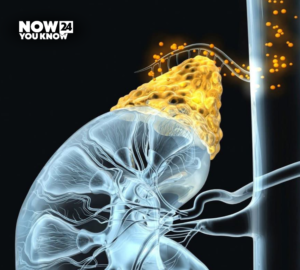
When your brain senses a threat, it releases hormones like adrenaline and cortisol to prepare your body for action. This “fight-or-flight” response is designed to protect you during short-term challenges.
The problem begins when that response never fully switches off. Constant stress keeps these hormones elevated, which can gradually affect your heart, immune system, digestion, sleep, and even your ability to think clearly.
10 Signs Chronic Stress May Be Affecting Your Health
Long-term stress doesn’t always look the same for everyone, but common warning signs include:
Frequent headaches
Trouble sleeping or poor-quality sleep
Constant fatigue
Muscle tension or back and neck pain
Digestive problems, including bloating or heartburn
Difficulty concentrating or memory issues
Feeling anxious or overwhelmed
Changes in appetite or unexpected weight gain
Higher blood pressure
Feeling emotionally exhausted or irritable
If several of these symptoms persist, stress may be playing a larger role than you realize.
Why People React to Stress Differently
Not everyone responds to stress in the same way. Genetics, personality, past experiences, and daily responsibilities all influence how your body reacts.
Someone who has experienced trauma or ongoing life pressures may have a stronger stress response than someone facing the same situation under different circumstances.
Simple Ways to Reduce Stress Every Day
While it’s impossible to eliminate stress completely, small daily habits can make a meaningful difference.
Experts recommend:
Getting regular physical activity
Eating a balanced diet
Prioritizing quality sleep
Practicing deep breathing or meditation
Keeping a journal
Spending time with supportive friends and family
Making time for hobbies you enjoy
Reducing screen time before bed
Finding healthy ways to laugh and relax
These habits can help your body recover from daily stress and improve resilience over time.
When to Seek Professional Help
If stress continues to interfere with your work, relationships, sleep, or overall quality of life despite making healthy changes, it may be time to speak with a healthcare professional or mental health provider.
Persistent anxiety, depression, or ongoing physical symptoms deserve attention. Seeking help is not a sign of weakness—it’s an important step toward protecting both your mental and physical health.
The Bottom Line
Stress is a natural part of life, but chronic stress isn’t something to ignore. Over time, it can affect your brain, heart, immune system, digestion, and emotional well-being.
The encouraging news is that even small lifestyle changes—combined with support when needed—can help reduce stress and improve your overall health. Taking care of your mind is also one of the best ways to take care of your body.