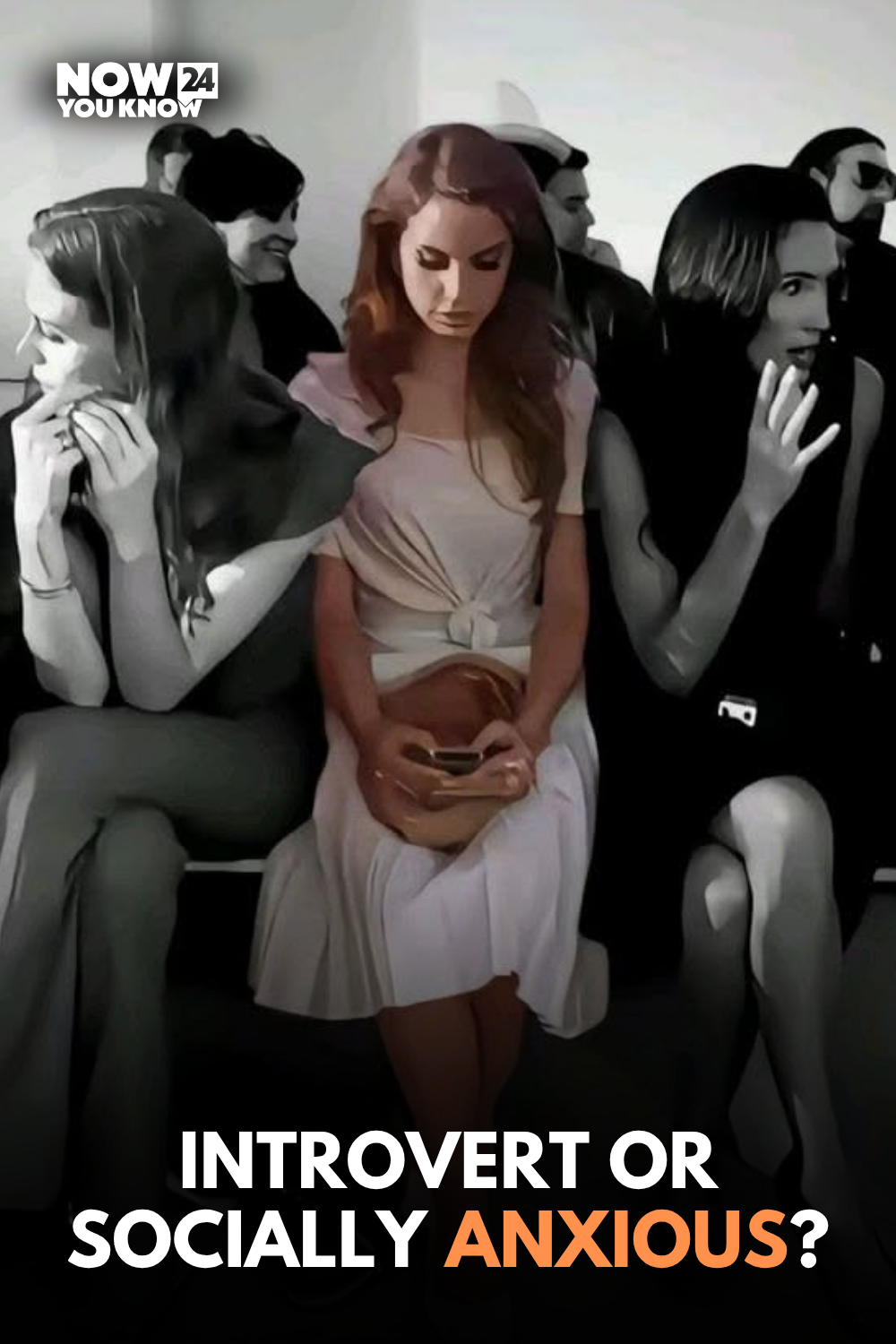

Many people assume that being quiet, avoiding large crowds, or preferring a night at home automatically means someone is an introvert. Others wonder whether those same habits might actually point to social anxiety.
While the two can look similar from the outside, they’re not the same thing. Understanding the difference can help you better understand yourself—or recognize when it’s time to seek support.
What It Really Means to Be an Introvert
Introversion is a personality trait, not a mental health condition.
People who are introverted often feel most energized after spending time alone. Socializing isn’t necessarily unpleasant, but too much interaction can leave them mentally drained. After a busy day or a large gathering, they usually need quiet time to recharge.
Many introverts are thoughtful listeners, enjoy meaningful one-on-one conversations, and often prefer writing or creative expression over speaking in large groups. They may also avoid unnecessary conflict and think carefully before making decisions.
Most importantly, introverts generally choose solitude because they enjoy it, not because they’re afraid of other people’s opinions.
What Is Social Anxiety?
Social anxiety is very different.
Rather than preferring alone time, people with social anxiety often want to connect with others but feel intense fear about being judged, embarrassed, or rejected.
Simple situations like introducing yourself, speaking during a meeting, or attending a party can trigger overwhelming worry. Even after a conversation ends, someone with social anxiety may replay every detail in their mind, wondering if they said something wrong.
Common signs include:
- Fear of embarrassing yourself in public
- Avoiding unfamiliar social situations
- Constantly worrying about what others think
- Physical symptoms like sweating, blushing, shaking, or a racing heart
- Feeling lonely because fear makes socializing difficult
Unlike introversion, social anxiety is a recognized mental health condition that can improve with the right support and treatment.
Can You Be Both Introverted and Socially Anxious?
Absolutely.
Being introverted doesn’t protect someone from developing social anxiety, and having social anxiety doesn’t automatically make someone an introvert.
For example, an introvert may enjoy spending time with close friends but need a quiet evening afterward to recharge. Someone with social anxiety, however, may skip the gathering altogether because they’re terrified of saying the wrong thing or being negatively judged.
Many people experience both, making it difficult to know which is influencing their behavior.
Where Does Shyness Fit In?
Shyness adds another layer to the conversation.
Shy people often feel uncomfortable around strangers or in unfamiliar settings, but those feelings usually fade as they become more comfortable. Once they feel accepted, they’re often able to relax and enjoy themselves.
Social anxiety tends to be more persistent. Even after getting to know people, the fear of judgment may continue, making everyday interactions stressful.
In other words:
- Introversion is about where you get your energy.
- Shyness is about feeling hesitant around new people.
- Social anxiety is about intense fear of criticism or rejection.
Although these traits can overlap, they are not interchangeable.
When It’s More Than Just Personality
It’s normal to enjoy quiet time or feel nervous before meeting new people. But if fear regularly prevents you from making friends, speaking up at work, or enjoying experiences you’d otherwise want to have, social anxiety may be playing a role.
Some people find themselves declining invitations, overthinking every conversation, or feeling exhausted by constant worry about how they’re perceived. Over time, this can lead to loneliness, isolation, and lower self-confidence.
The good news is that social anxiety is treatable. Therapy, coping strategies, and gradual exposure to feared situations can help many people build confidence and feel more comfortable in social settings.
The Bottom Line
Enjoying your own company isn’t something that needs to be “fixed.” Introversion is simply one of many healthy personality traits.
The key difference is why you prefer being alone. If solitude feels peaceful and restorative, you’re likely experiencing introversion. If you’re staying home because you’re afraid of embarrassment, rejection, or judgment—even when you’d rather be with others—it may be worth exploring whether social anxiety is involved.
Understanding that distinction can make it easier to give yourself grace, recognize your needs, and seek support if fear is getting in the way of the life you want to live.