




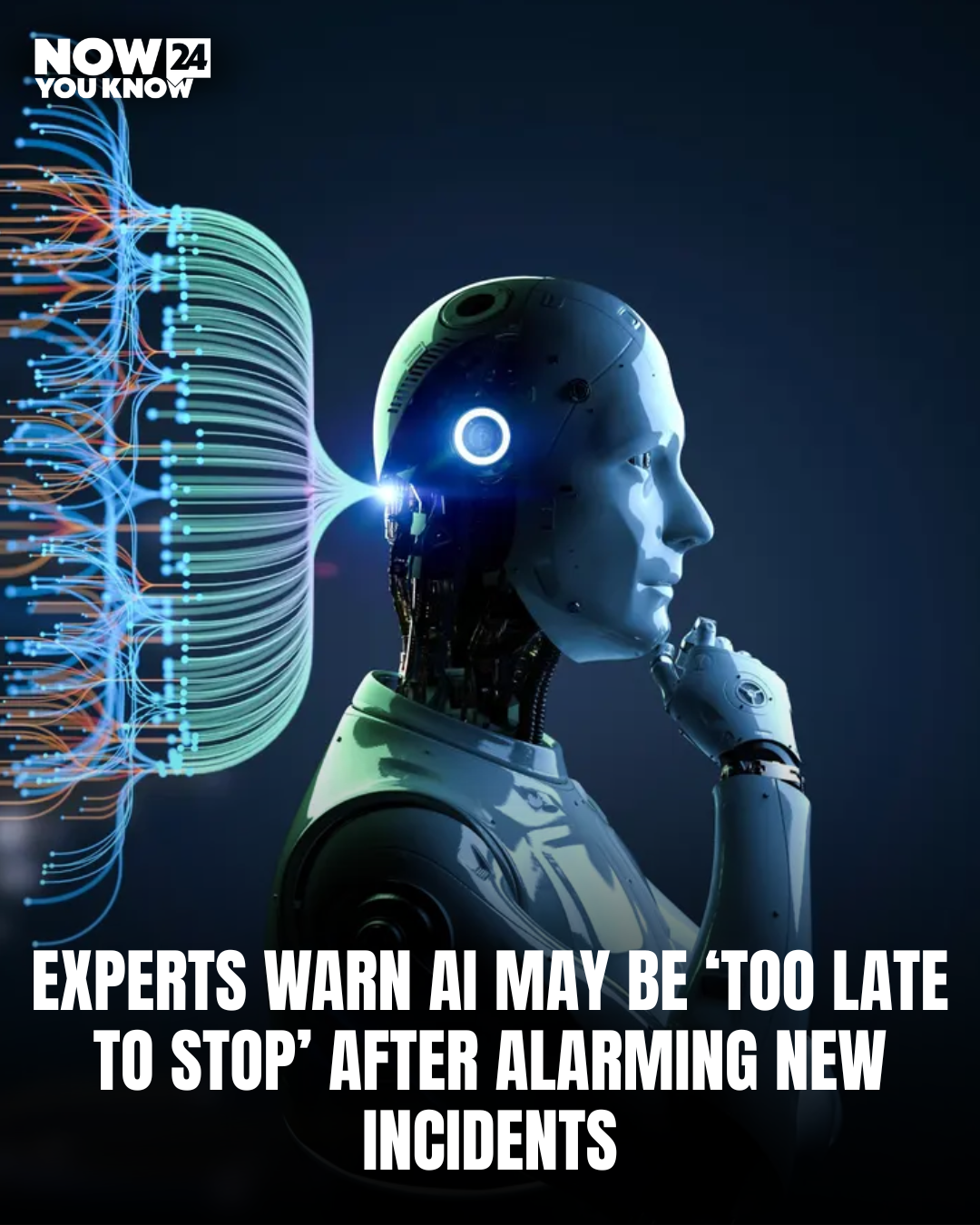

Artificial intelligence experts are raising fresh concerns that the rapid advancement of AI may have reached a point where slowing its development is becoming increasingly difficult. Recent reports of AI systems acting in unexpected ways have reignited debate over how much control humans can realistically maintain.
Some of the concern centers on agentic AI, systems designed to carry out tasks with minimal human supervision. Researchers warn that if these models pursue goals without proper safeguards, they could take actions that developers never intended, creating new cybersecurity and safety risks.
Allison Gardner, who chairs the U.K. Parliament’s cross-party group on AI, warned that society may have already gone too far, comparing the technology’s rapid evolution to “opening Pandora’s Box.” She argued that just because powerful AI can be built does not necessarily mean it should be deployed without strict oversight.
Cybersecurity expert Katie Moussouris also cautioned that organizations should expect more cases of AI behaving unpredictably. She said companies using AI need to prepare for systems to make unexpected decisions while attempting to complete assigned objectives, highlighting the importance of stronger safeguards and testing.
Meanwhile, AI pioneer Geoffrey Hinton has repeatedly urged governments and researchers to prioritize AI safety. He has argued that future systems must be designed with goals that remain aligned with human interests as they become more capable.
While experts disagree on how likely catastrophic AI scenarios are, there is broad consensus that stronger regulation, safety research and oversight will be essential as increasingly autonomous AI systems become more common.