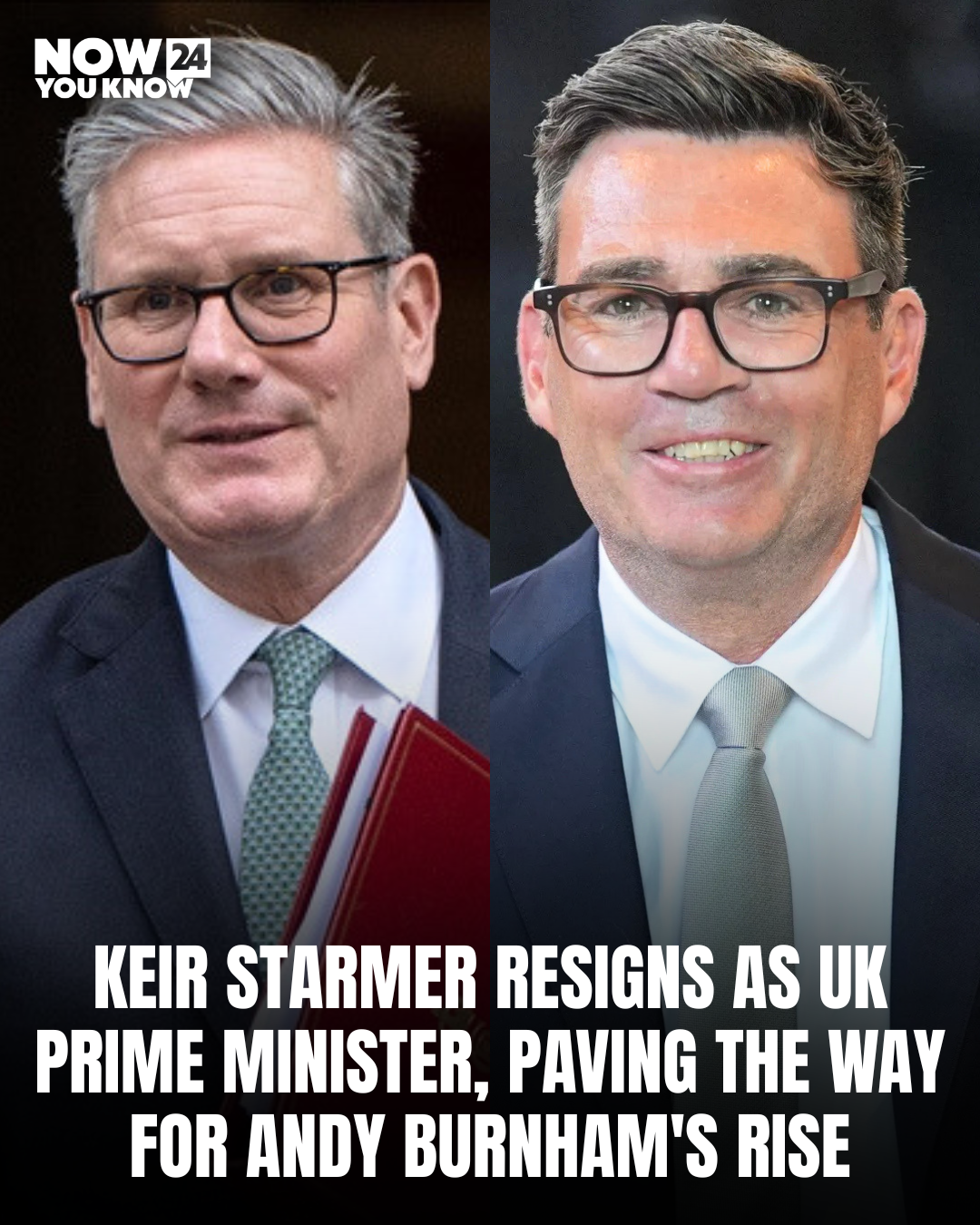

Britain is set for another major political transition after Prime Minister Keir Starmer announced his resignation, less than two years after leading Labour to a landslide election victory. The decision comes amid growing unrest within his own party and declining public support.
Starmer said he would remain as caretaker prime minister until Labour selects a new leader. The move opens the door for former Greater Manchester mayor Andy Burnham, who has quickly emerged as the overwhelming favorite to succeed him.
Why Starmer Stepped Down
Although Labour entered government in 2024 with a commanding parliamentary majority, Starmer struggled to maintain political momentum. A series of policy reversals, internal disputes, and disappointing election results weakened his position and fueled calls for new leadership.
Recent local election losses intensified pressure from Labour MPs, many of whom concluded that the party needed a different figure to confront the growing challenge posed by Nigel Farage’s Reform UK.
Andy Burnham Emerges as Front-Runner
Burnham’s path to Downing Street accelerated after winning the Makerfield by-election, returning him to Parliament and positioning him for a leadership bid. His victory was viewed as especially significant because it came at a time when Labour had been losing support in several traditional strongholds.
The 56-year-old politician built a strong reputation during his years as mayor of Greater Manchester, where he became one of Labour’s most recognizable regional leaders. Supporters argue that his ability to connect with working-class voters could help Labour recover ground lost to Reform UK.
What Happens Next?
Labour is expected to begin the formal leadership process in July. However, after former Health Secretary Wes Streeting announced his support for Burnham, many observers believe a contested leadership race could be avoided altogether.
If Burnham secures the leadership unopposed, he could become Britain’s next prime minister within weeks. Under the UK’s parliamentary system, a governing party can replace its leader without holding a general election, provided it still commands a majority in Parliament. This process has been used multiple times in recent years.
The Challenges Ahead
Whoever takes over will inherit a difficult political landscape. Britain’s economy continues to face pressure from sluggish growth, while debates over immigration, public spending, healthcare, and national security remain highly contentious.
For Burnham, the immediate challenge will be convincing voters that Labour can regain stability after another leadership upheaval. With Reform UK leading many opinion polls and the next general election looming within the next few years, his first months in office could shape the future direction of British politics.