



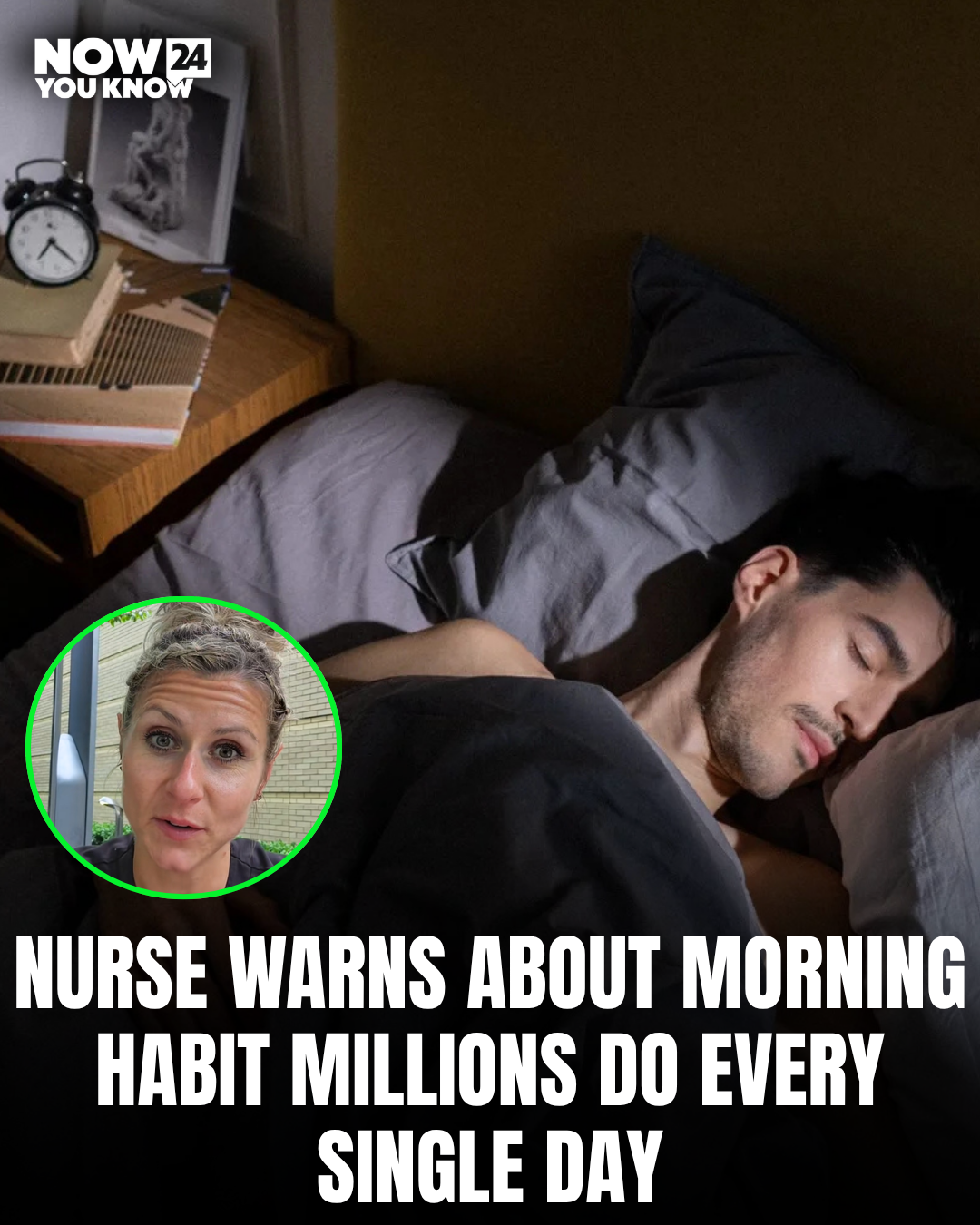

A nurse has gone viral after warning that repeatedly hitting the snooze button or setting multiple alarms each morning may be doing more harm than good.
For many people, especially busy parents, shift workers, students, and night owls, relying on several alarms feels like the only way to avoid oversleeping. But sleep experts say the habit can seriously disrupt the body’s natural sleep cycle.
Viral TikTok Warning Sparks Debate
Nurse Jordan Bruss recently shared a TikTok video urging people to stop setting multiple alarms and instead get up as soon as the first one goes off.
“When that alarm goes off in the morning, get up!” Bruss advised.
The video quickly sparked debate online, with many viewers admitting they depend on repeated alarms just to function in the morning.
Some commenters joked that waking up after one alarm simply is not realistic, while others admitted they routinely set five, ten, or even more alarms every day.
@jordanbfit1 Good sleep hygiene is a big part of my physical and mental health. I promise I would not be in the shape I am in without doing some serious research in the deep sleep department. Don’t cause yourself extra physical and mental stress. Excess cortisol levels make you gain and hang on to weight. So when the alarm goes off, it’s time, get up. You’ll look and feel better! #fyp #sleep #sleephygiene #cortisol #cortisollevels #healthylifestyle #healthcoach #lifecoach #nursecoach
Sleep Experts Say Snoozing Disrupts Rest
According to sleep coach Beatrix Schmidt, repeatedly falling back asleep after an alarm interrupts the body during some of the most important stages of sleep.
The issue is known as sleep fragmentation, which occurs when sleep is repeatedly interrupted over short periods of time.
Experts say this fragmented sleep can leave people feeling more exhausted, groggy, and mentally foggy after waking up, even if they technically spent more time in bed.
Schmidt revealed that one of her clients once set more than 20 alarms, each just minutes apart, creating constant interruptions during the final hours of sleep.
Why Multiple Alarms Can Make You Feel Worse
Health experts warn that repeated alarms can interfere with REM sleep, a critical sleep stage connected to memory, mood regulation, and brain function.
According to medical experts, waking suddenly during REM sleep may contribute to sleep inertia, the heavy, disoriented feeling many people experience immediately after waking.
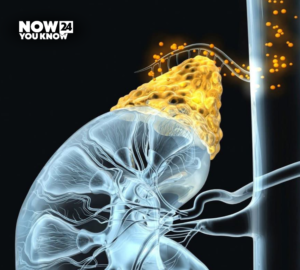
Bruss also explained that every alarm can trigger the body’s stress response, sometimes called “fight or flight,” causing repeated adrenaline spikes first thing in the morning.
Over time, experts say chronic sleep disruption and elevated stress levels may contribute to fatigue, mood changes, higher cortisol levels, cardiovascular strain, and other health issues.
Experts Recommend Changing Morning Habits
Instead of relying on endless snooze alarms, sleep experts recommend making mornings more manageable by improving nighttime sleep habits and creating routines people actually enjoy.
Schmidt suggests placing alarms farther away from the bed so you are forced to physically get up to turn them off.
She also recommends building positive morning routines involving music, reading, stretching, or another enjoyable activity to make waking up feel less stressful.
“Waking up is a transition, not a switch,” Schmidt explained.
While experts acknowledge that nobody feels instantly energized after waking, they say reducing repeated alarms may help improve energy levels, mood, and overall sleep quality over time.