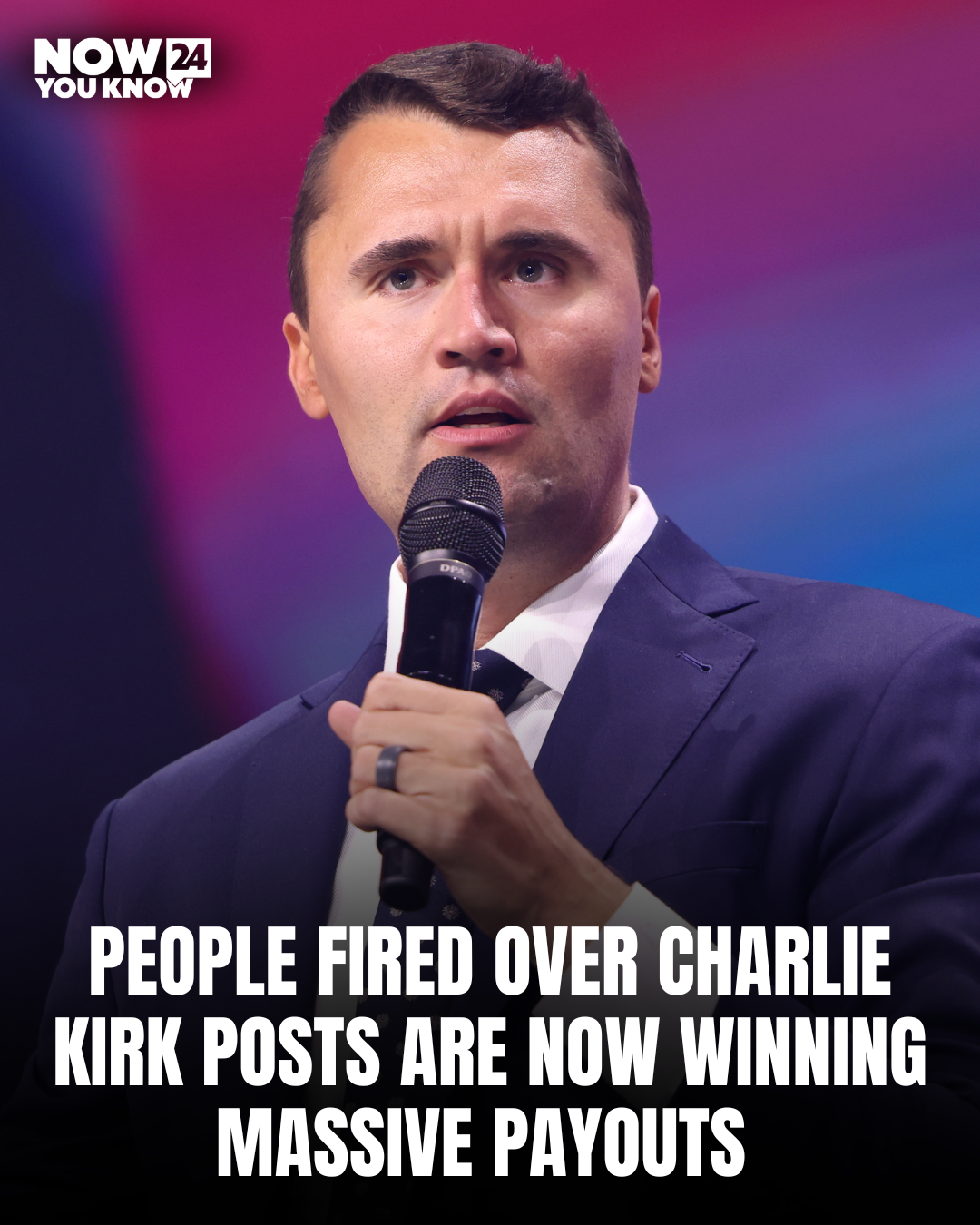

Nearly a year after the assassination of political commentator Charlie Kirk sparked widespread controversy across the country, a growing number of people who lost their jobs over comments related to the tragedy are now receiving significant legal settlements.
In the immediate aftermath of Kirk’s death in September 2025, social media erupted with strong reactions from across the political spectrum. While many expressed grief and condemnation of the violence, others posted critical or controversial opinions about Kirk’s legacy and public role.
Some of those posts quickly became the focus of online campaigns that targeted employers, universities, and government agencies, demanding disciplinary action against individuals who had commented on the event.
As a result, hundreds of Americans reportedly faced investigations, suspensions, or terminations from their jobs.
Now, many of those cases are being revisited through lawsuits, appeals, and legal settlements.
One of the most widely discussed cases involved Iowa public defender Maria Ruhtenberg, who lost her position after posting comments visible only to her Facebook friends. Although she condemned the killing itself, several remarks she made about Kirk were reported to outside groups and eventually reached her employer.
Within days, Ruhtenberg was fired from a job she had held for 15 years.
Following an appeal process, she was reinstated to her position. She later pursued legal action alleging violations of her constitutional rights and ultimately received a settlement worth $125,000.
Another high-profile case involved professor Darren Michael of Tennessee’s Austin Peay State University.
Michael did not write an original statement about Kirk’s death. Instead, he shared an older news headline discussing comments Kirk had previously made about gun rights. Despite adding no personal commentary, the post drew criticism from conservative activists and public officials.
The university eventually dismissed him, citing reputational concerns.
Months later, Michael was reinstated after legal proceedings, and the university agreed to a settlement reportedly worth $500,000 along with reimbursement for therapy expenses related to the ordeal.
Perhaps one of the most unusual cases involved Larry Bushart, a retired police officer from Tennessee.
Following a social media post that authorities allegedly interpreted as a threat, Bushart was arrested and spent more than a month in jail. He later maintained that the accusations were entirely unfounded.
After legal action, Bushart received an $835,000 settlement related to the incident.
Additional settlements have also been reported across the country.
Former Florida Fish and Wildlife Conservation Commission biologist Brittney Brown reportedly received $485,000 after challenging her termination. Although she ultimately moved on to a different career opportunity, she has remained vocal about the experience and its impact on her life.
Legal experts note that many cases involving public employees and government agencies often center on constitutional protections related to free speech.
While employers generally maintain broad authority over workplace conduct, courts frequently examine whether disciplinary actions improperly punish protected expression, especially when comments are made outside the workplace and in a personal capacity.
The wave of settlements has fueled renewed debate about free speech, political activism, and the growing influence of online outrage campaigns.
Supporters of the lawsuits argue that many of the affected individuals were punished for expressing opinions, sharing news articles, or engaging in protected speech.
Critics counter that employers must consider public perception and workplace environments when controversial comments attract widespread attention.
Regardless of where people stand politically, the legal outcomes suggest that several employers may have acted too quickly under public pressure.
As more cases continue working their way through courts and settlement negotiations, the total financial cost could continue to rise.
For many of those involved, however, the issue extends beyond money.
Several individuals who regained their jobs or received settlements have described lasting emotional and professional consequences from being thrust into a national political controversy.
Their experiences have become part of a broader conversation about how social media, politics, and workplace discipline increasingly intersect in modern America.
While the debate surrounding Charlie Kirk’s legacy remains deeply polarizing, the legal battles that followed his death continue to shape discussions about free expression, accountability, and the limits of employer authority in the digital age.