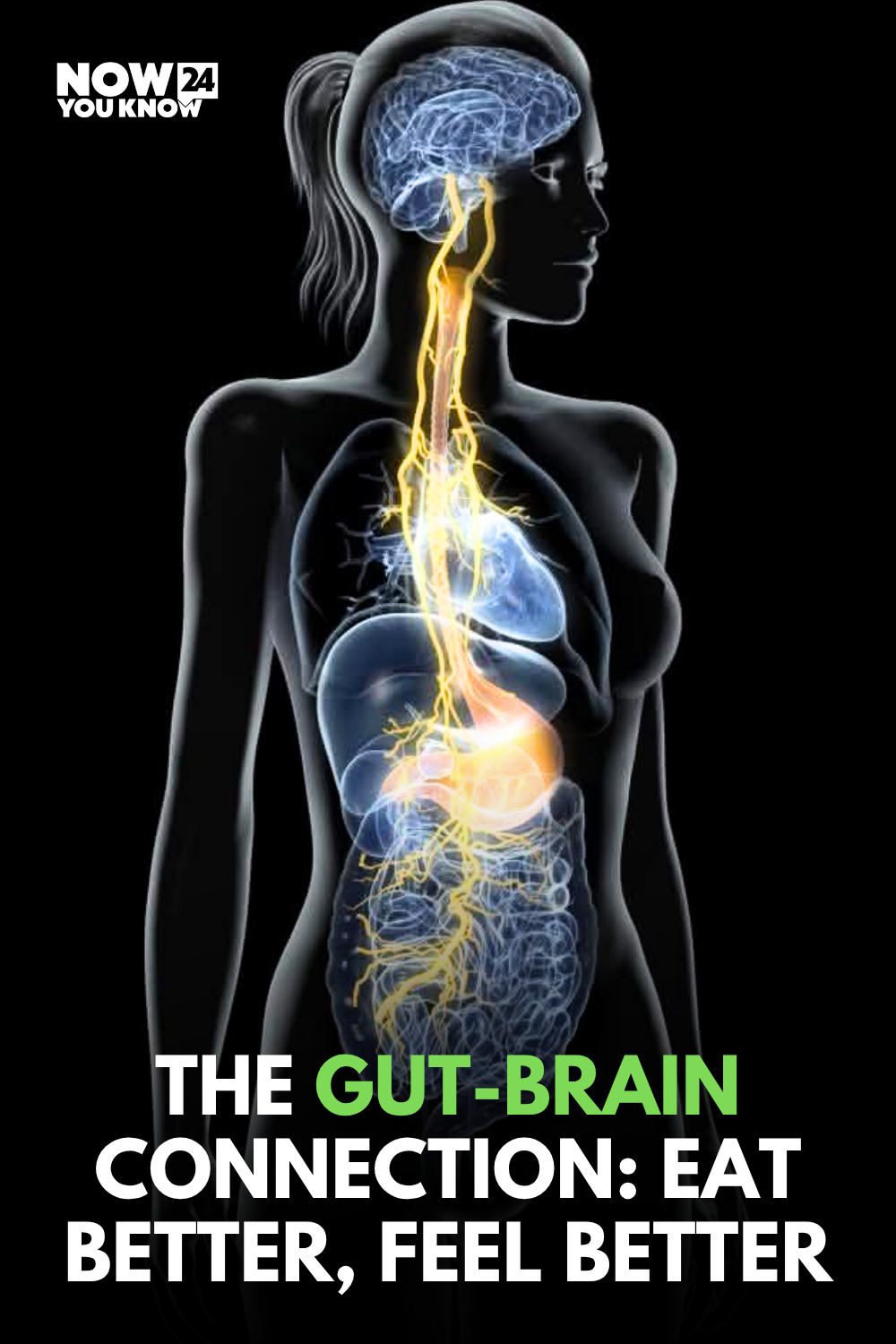

Have you ever felt sleepy after a heavy meal or noticed you’re more focused after eating a healthy breakfast? That’s because your gut and brain are constantly communicating through what’s known as the gut-brain connection. The foods you eat can influence everything from your mood and memory to your concentration and overall mental well-being.
Your digestive system contains millions of nerve cells that send messages directly to your brain. When you regularly eat nutritious foods, these signals help support healthy brain function by encouraging the growth of new brain cells, protecting existing ones, and promoting chemicals involved in learning, focus, and emotional balance.
On the other hand, a diet high in processed foods, added sugars, and unhealthy fats may trigger inflammation and stress responses that can make it harder to concentrate and may increase the risk of anxiety or low mood. While no single food can prevent mental health conditions, your daily eating habits can play an important role in supporting brain health.
Experts recommend focusing on a balanced diet that includes plenty of fruits, vegetables, whole grains, lean proteins, healthy fats, and fermented foods like yogurt, kefir, kimchi, or sauerkraut. These foods provide fiber, vitamins, minerals, probiotics, and healthy fats that help nourish both your gut bacteria and your brain.
Variety also matters. Eating a wide range of colorful fruits, vegetables, whole grains, nuts, seeds, fish, legumes, and dairy or fortified alternatives gives your body access to the nutrients it needs to function at its best. Simply rotating meals throughout the week can improve the diversity of your gut microbiome.
Healthy eating isn’t only about what you eat, but how you eat. Slowing down during meals, limiting distractions, and paying attention to hunger and fullness cues can help prevent overeating while supporting better digestion. Staying hydrated is equally important, as even mild dehydration can affect memory, concentration, mood, and energy levels.
Small, consistent changes often make the biggest difference. Replacing one processed snack with fruit, drinking more water, or adding an extra serving of vegetables each day can gradually strengthen the connection between your gut and brain. Over time, these simple habits may help support better mental clarity, improved mood, and overall well-being.