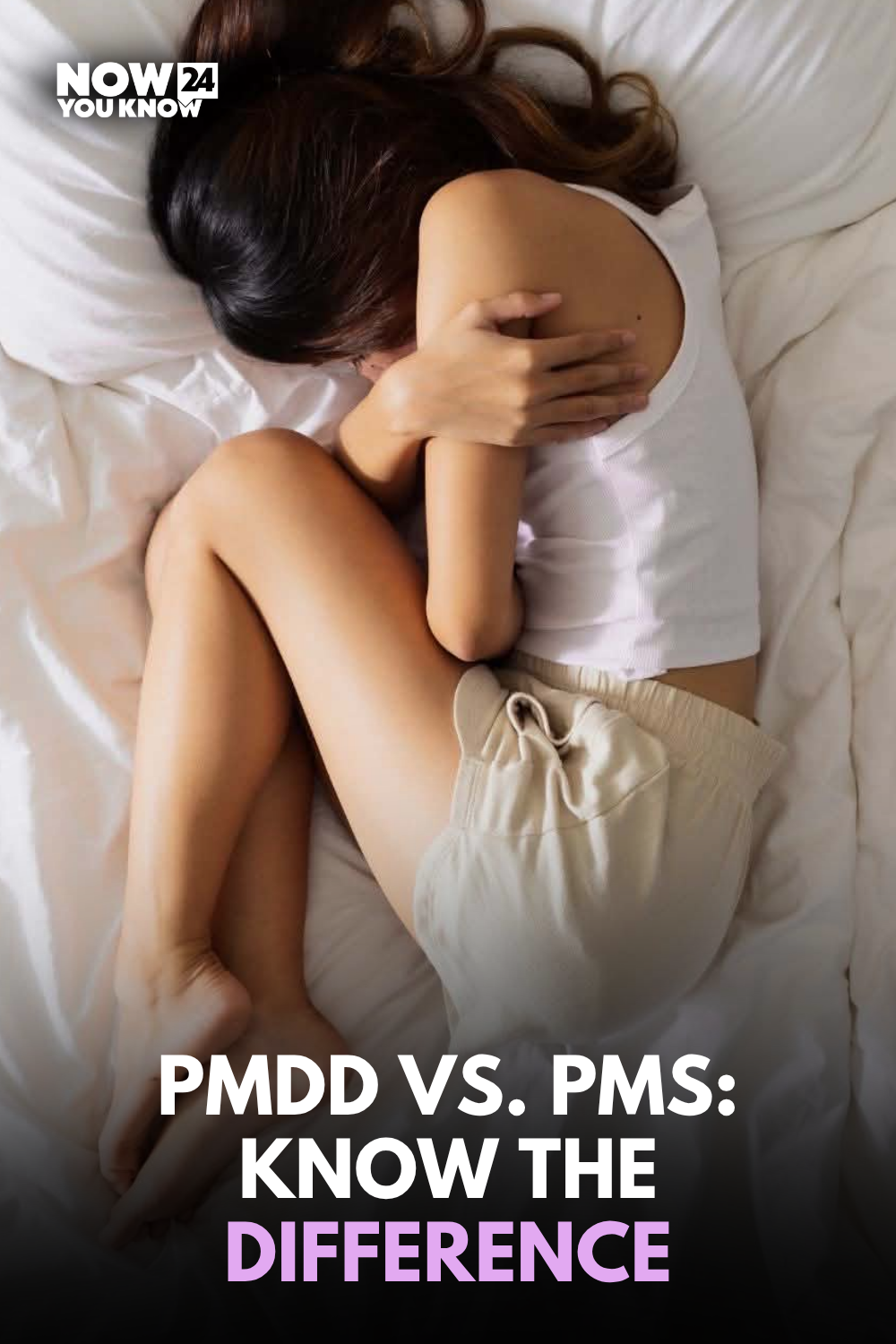

Many people notice physical or emotional changes before their period, often called premenstrual syndrome (PMS). But for some, these symptoms are much more intense and can interfere with work, relationships, and daily life. This more severe condition is known as premenstrual dysphoric disorder (PMDD).
Although PMDD and PMS share some of the same physical symptoms, PMDD is considered a more serious condition because of its stronger emotional and behavioral effects. Understanding the difference can help people get the right support and treatment.
PMDD vs. PMS
Both PMS and PMDD usually begin 7 to 10 days before a menstrual period and often improve within the first few days after bleeding starts.
Both conditions can cause:
- Bloating
- Breast tenderness
- Fatigue
- Changes in appetite
- Sleep problems
PMDD also includes more severe emotional symptoms, such as:
- Persistent sadness or hopelessness
- Anxiety or overwhelming tension
- Extreme mood swings
- Intense irritability or anger
These symptoms can make everyday tasks harder and may affect school, work, and personal relationships.
What Causes PMDD?
The exact cause of PMDD is not fully understood. Experts believe that hormonal changes during the menstrual cycle may trigger symptoms in people who are especially sensitive to these shifts.
People who already live with depression or anxiety may also notice that their symptoms become worse around their menstrual cycle.
How Is PMDD Treated?
Treatment focuses on reducing symptoms and improving quality of life. Depending on the severity of symptoms, a healthcare provider may recommend:
- Antidepressants (SSRIs): Medicines such as fluoxetine or sertraline may help ease mood symptoms, fatigue, food cravings, and sleep problems. Some people take them every day, while others only use them during the second half of the menstrual cycle.
- Birth control pills: Certain hormonal contraceptives, especially those with fewer or no pill-free days, may help reduce PMDD symptoms.
- Calcium supplements: Some research suggests that 1,200 mg of calcium daily may help lessen symptoms. Other supplements, including vitamin B6, magnesium, and L-tryptophan, may also help, but should only be used after speaking with a healthcare provider.
- Herbal remedies: Chasteberry, also known as Vitex agnus-castus, has shown some promise in reducing mood swings, breast tenderness, cramps, and food cravings, although more research is still needed.
Lifestyle Changes That May Help
Healthy daily habits can also make a difference. Experts often recommend:
- Getting regular physical activity
- Limiting caffeine and alcohol
- Avoiding smoking
- Prioritizing quality sleep
- Practicing relaxation techniques such as meditation, yoga, or mindfulness
- Reducing unnecessary stress whenever possible
These changes may not remove symptoms completely, but they can help make them easier to manage.
When to See a Doctor
If your emotional or physical symptoms before your period are severe enough to affect work, relationships, or daily activities, talk with a healthcare provider. PMDD is a real medical condition, and effective treatments are available.
Finding the right combination of medication, lifestyle changes, and support can make a big difference in symptom relief and overall well-being.