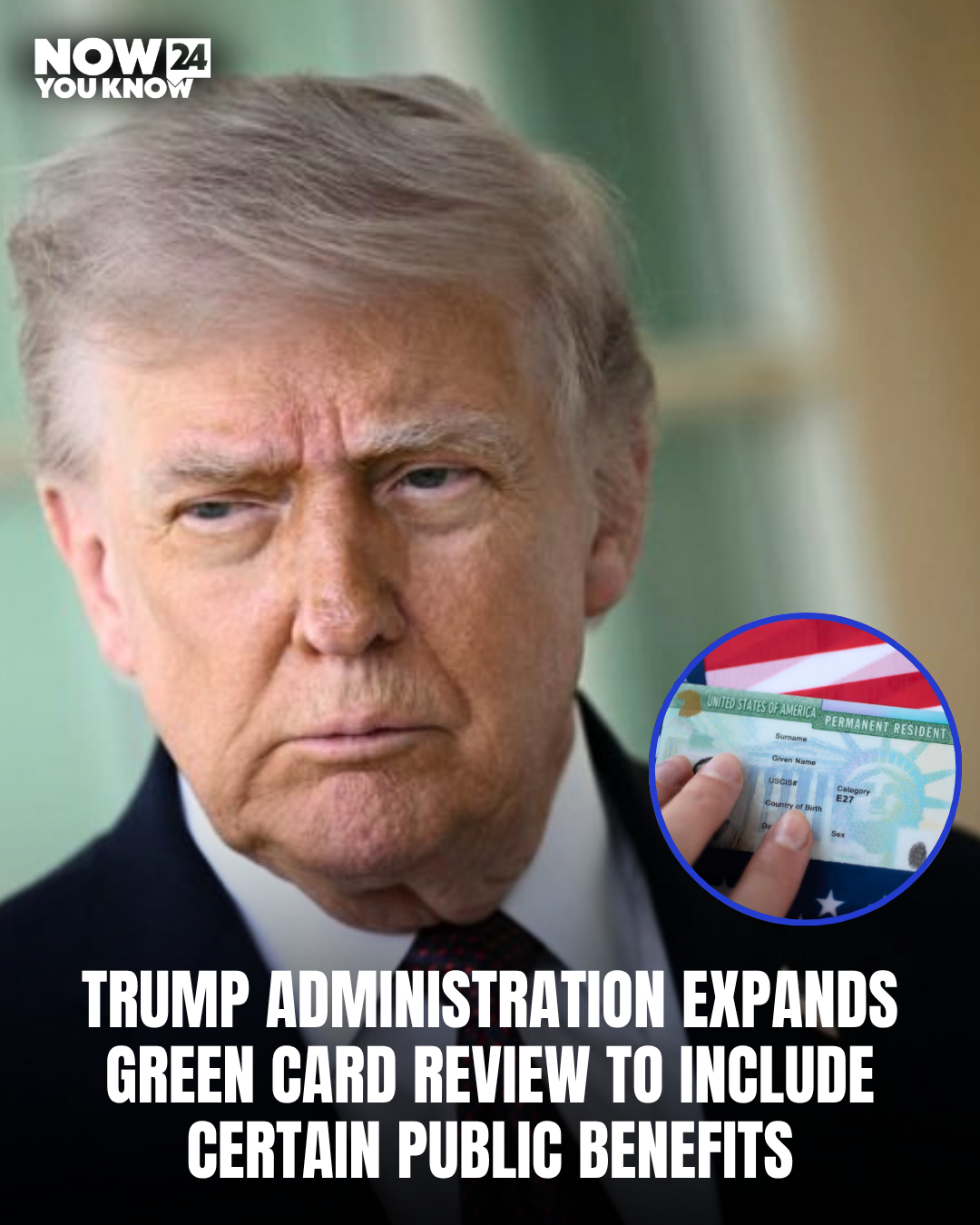

The Trump administration has announced a new immigration policy that will allow officials to consider an applicant’s use of certain public assistance programs when reviewing some green card applications.
According to the Department of Homeland Security (DHS), the updated rule is intended to reinforce the long-standing principle that immigrants seeking permanent residency should be able to support themselves financially.
What Is Changing?
Under the new policy, immigration officers may consider an applicant’s use of certain non-cash public benefits, including programs such as Medicaid, Supplemental Nutrition Assistance Program (SNAP) benefits (commonly known as food stamps), and certain forms of housing assistance, along with other factors during the review process.
Officials will also continue evaluating an applicant’s age, health, income, education, assets, and employment history when determining whether they are likely to become a “public charge” under U.S. immigration law.
Reversing Biden-Era Guidance
The rule reverses a policy adopted during the Biden administration, which generally limited public charge determinations to applicants receiving cash assistance or long-term government-funded institutional care.
The Trump administration argues the broader review better reflects existing immigration law and encourages financial self-sufficiency among those seeking lawful permanent resident status.
Who Could Be Affected?
Federal officials estimate the policy could apply to approximately 588,000 people who apply for green cards each year.
However, immigration law includes numerous exceptions, and not every immigrant or visa category is subject to the public charge test. Refugees, asylum recipients, and several other humanitarian categories are generally exempt under federal law.
Applicants with questions about how the rule may affect their individual circumstances are encouraged to consult official government guidance or seek qualified legal advice.
What Happens Next?
The Department of Homeland Security says the rule is expected to take effect next week.
Supporters argue the change protects taxpayer-funded programs and promotes self-reliance, while critics have expressed concerns that it could discourage eligible immigrants from accessing important public services. The policy could face legal challenges after implementation.