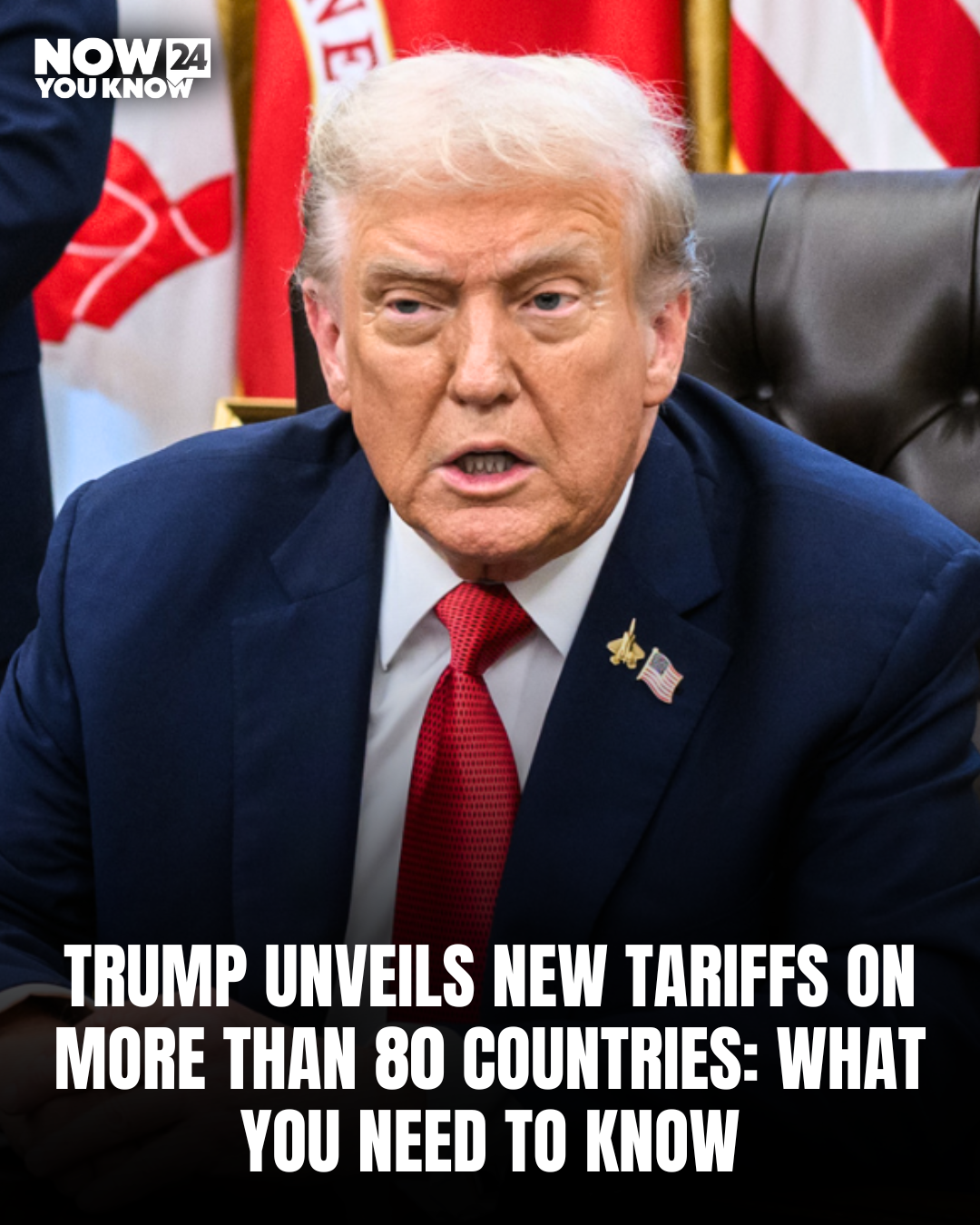

President Donald Trump has announced a new round of tariffs affecting more than 80 countries, with import duties of either 10% or 12.5% set to take effect. The move marks the latest step in the administration’s effort to reshape U.S. trade policy despite ongoing legal challenges.
More Than 80 Countries Face New Tariffs
The new tariffs apply to many of America’s largest trading partners, including Canada, Mexico, China, the United Kingdom, India, Australia, and all 27 European Union member states.
According to the U.S. Trade Representative’s office, the tariff rates are tied to each country’s policies on preventing goods produced with forced labor from entering international trade.
How the New Rates Work
Countries that the U.S. says have adopted and enforced measures against forced labor imports will face a 10% tariff. This group includes Canada, Mexico, the United Kingdom, India, and the European Union.
Meanwhile, countries that the administration says have not adopted similar restrictions, including China, Australia, Brazil, and Japan, will face a higher 12.5% tariff.
Legal Questions Remain
The announcement comes months after the U.S. Supreme Court ruled that President Trump had exceeded his authority by using emergency powers to impose broad global tariffs.
The administration has now shifted to using Section 301 of the Trade Act of 1974, which allows tariffs following investigations into unfair trade practices. Legal experts, however, expect the latest measures to face new court challenges.
What It Could Mean for Consumers
Economists have argued that tariffs often increase costs for American consumers and businesses because higher import taxes can lead to higher prices.
Recent polling also suggests many Americans believe tariffs have negatively affected household costs, although the Trump administration maintains the policy is necessary to strengthen U.S. manufacturing, protect American workers, and encourage domestic investment.