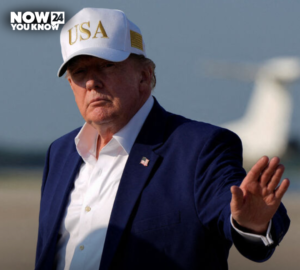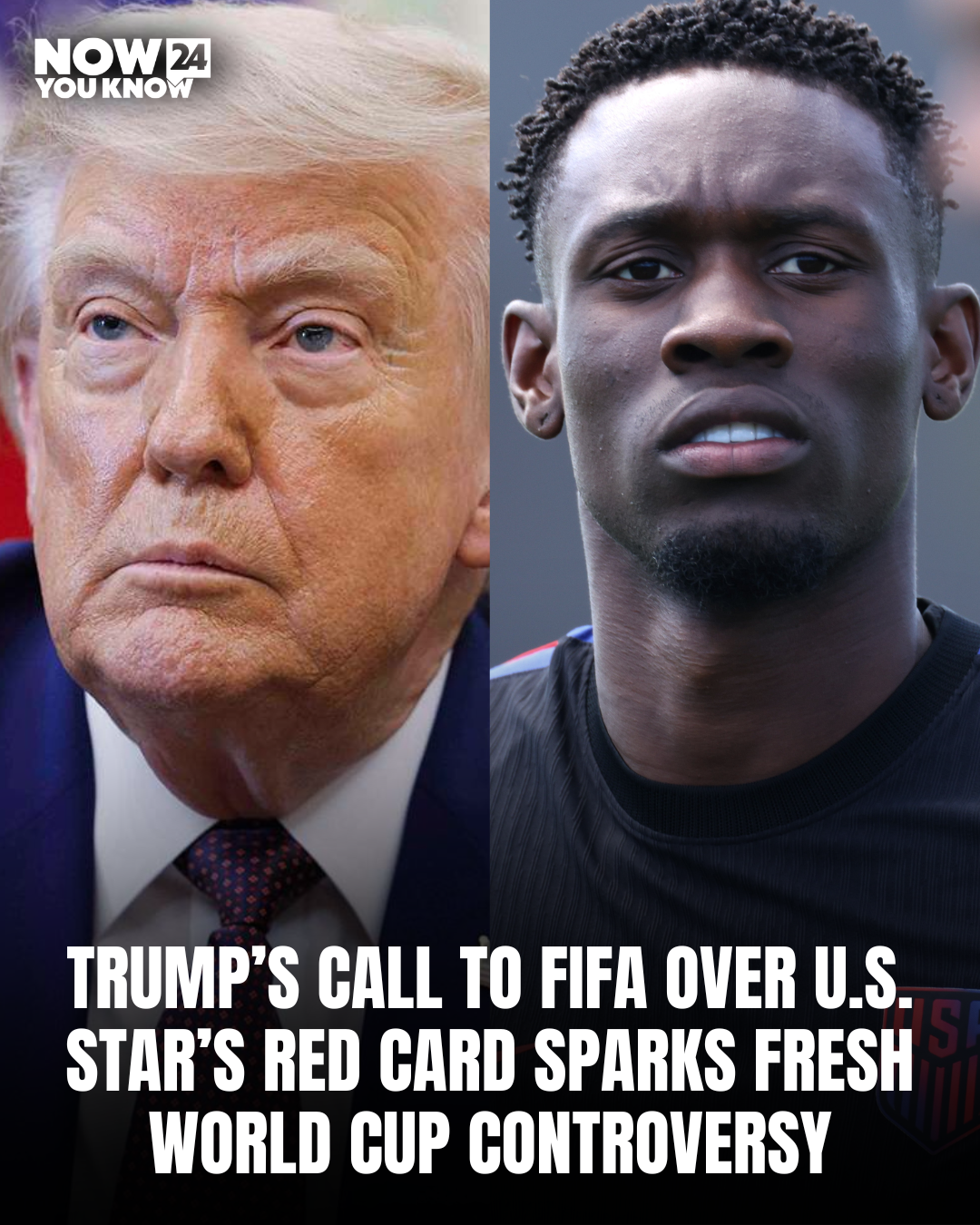

President Donald Trump is facing renewed scrutiny after reports that he personally contacted FIFA President Gianni Infantino regarding the suspension of United States striker Folarin Balogun, a move that has fueled debate over the integrity of the 2026 FIFA World Cup.
The controversy comes after FIFA suspended Balogun’s automatic one-match ban, allowing him to remain eligible for the United States’ knockout-stage match. FIFA said the decision was made under Article 27 of its disciplinary code, which permits the implementation of certain sanctions to be suspended under specific circumstances.
Critics question the timing
The decision has drawn criticism from football officials and analysts, with some arguing that changing a disciplinary ruling during the tournament creates the appearance of unequal treatment.
Several commentators have suggested the incident could place an “asterisk” over the United States’ tournament run, even though FIFA maintains the decision complied with its regulations.
Trump’s reported involvement
Trump publicly praised FIFA after the suspension was lifted, thanking the organization for what he described as correcting an injustice. Multiple media outlets have also reported that he spoke directly with Infantino before the decision, though FIFA has insisted the ruling was based on its disciplinary procedures rather than political pressure.
The reports have intensified debate over whether outside influence should play any role in decisions affecting international sporting competitions.
Fallout extends beyond the pitch
The controversy arrives as Trump prepares for a NATO summit, where global security issues are expected to dominate discussions. Nevertheless, his reported involvement in the Balogun case has continued to generate headlines alongside broader political developments.
Sports governance experts note that maintaining confidence in disciplinary processes is essential during major international tournaments, particularly when decisions affect knockout-stage matches.
A debate likely to continue
Whether the United States advances further or not, the Balogun decision is likely to remain one of the defining controversies of the 2026 World Cup. Critics argue the episode has raised difficult questions about transparency and consistency, while FIFA maintains it acted within the authority granted by its own disciplinary code.
The broader debate now centers less on one player and more on ensuring that the same rules are applied equally to every nation competing on football’s biggest stage.