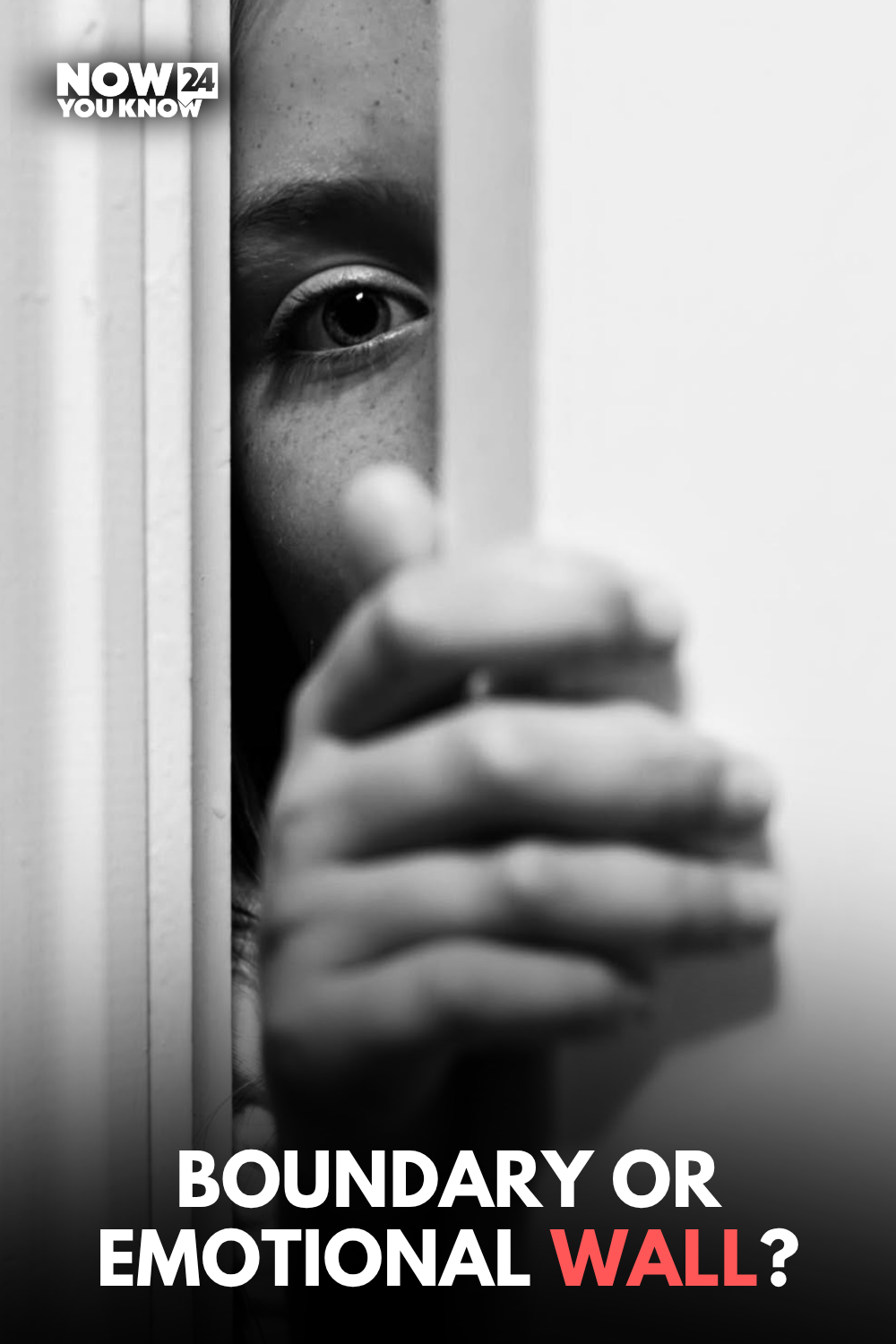

The idea of setting healthy boundaries has become one of the biggest conversations in mental wellness, and for good reason. Boundaries help us protect our time, energy, and emotional well-being while allowing relationships to thrive.
But there’s another side to the conversation that often gets overlooked. Sometimes what feels like a healthy boundary is actually an emotional wall. While both are meant to protect us, they have very different effects on our lives and relationships.
What Healthy Boundaries Actually Look Like
Healthy boundaries are the limits we set to protect our emotional, physical, and mental well-being without shutting others out.
For example, someone with healthy boundaries might say, “I need some quiet time after work,” or “Let’s continue this conversation when we’ve both had time to calm down.” These statements communicate a need while still leaving room for connection.
Boundaries aren’t about pushing people away. They’re about creating relationships built on respect, honesty, and mutual understanding.
What Are Emotional Walls?
Emotional walls often develop after painful experiences such as betrayal, rejection, burnout, or trauma.
Instead of expressing needs, walls act as a shield that keeps others at a distance. A person might avoid difficult conversations, refuse to open up, or convince themselves they don’t need anyone.
While these behaviors may offer temporary protection, they can also lead to loneliness and make it harder to build meaningful relationships.
Why We Build Walls
Mental health professionals often explain that emotional walls don’t appear overnight. They usually form after someone’s trust has been broken repeatedly or when vulnerability has been met with criticism or disappointment.
Common reasons people build emotional walls include:
- Fear of rejection or abandonment
- Emotional exhaustion or burnout
- Past betrayals or painful losses
- Difficulty trusting others after trauma
In many cases, walls begin as a survival strategy. The challenge is that what once kept someone safe may eventually keep them isolated.
The Biggest Difference Between Boundaries and Walls
A simple question can help you tell the difference:
Is this helping me stay connected, or helping me avoid connection altogether?
For instance, choosing not to answer work emails after business hours is a healthy boundary that protects personal time.
Ignoring every message, avoiding conversations, and withdrawing from everyone because interaction feels overwhelming may signal an emotional wall instead.
Healthy boundaries are generally clear, flexible, and communicated. Walls tend to be rigid, silent, and driven by fear.
How to Replace Walls With Healthy Boundaries
If you recognize yourself in these patterns, change doesn’t mean suddenly becoming an open book.
Experts suggest starting with small, manageable steps. Identify what you’re trying to protect, practice expressing your needs with people you trust, and remember that vulnerability doesn’t have to happen all at once.
If emotional withdrawal has become a long-standing pattern or is affecting your daily life and relationships, speaking with a licensed mental health professional can provide valuable guidance and support.
The Bottom Line
Healthy boundaries say, “This is what I need so I can stay connected.” Emotional walls say, “It’s safer if I don’t let anyone get close.”
Both can develop as forms of self-protection, but only one leaves room for trust, understanding, and lasting relationships. Learning the difference can help you protect your well-being without closing the door on meaningful human connection.