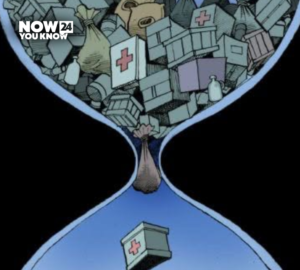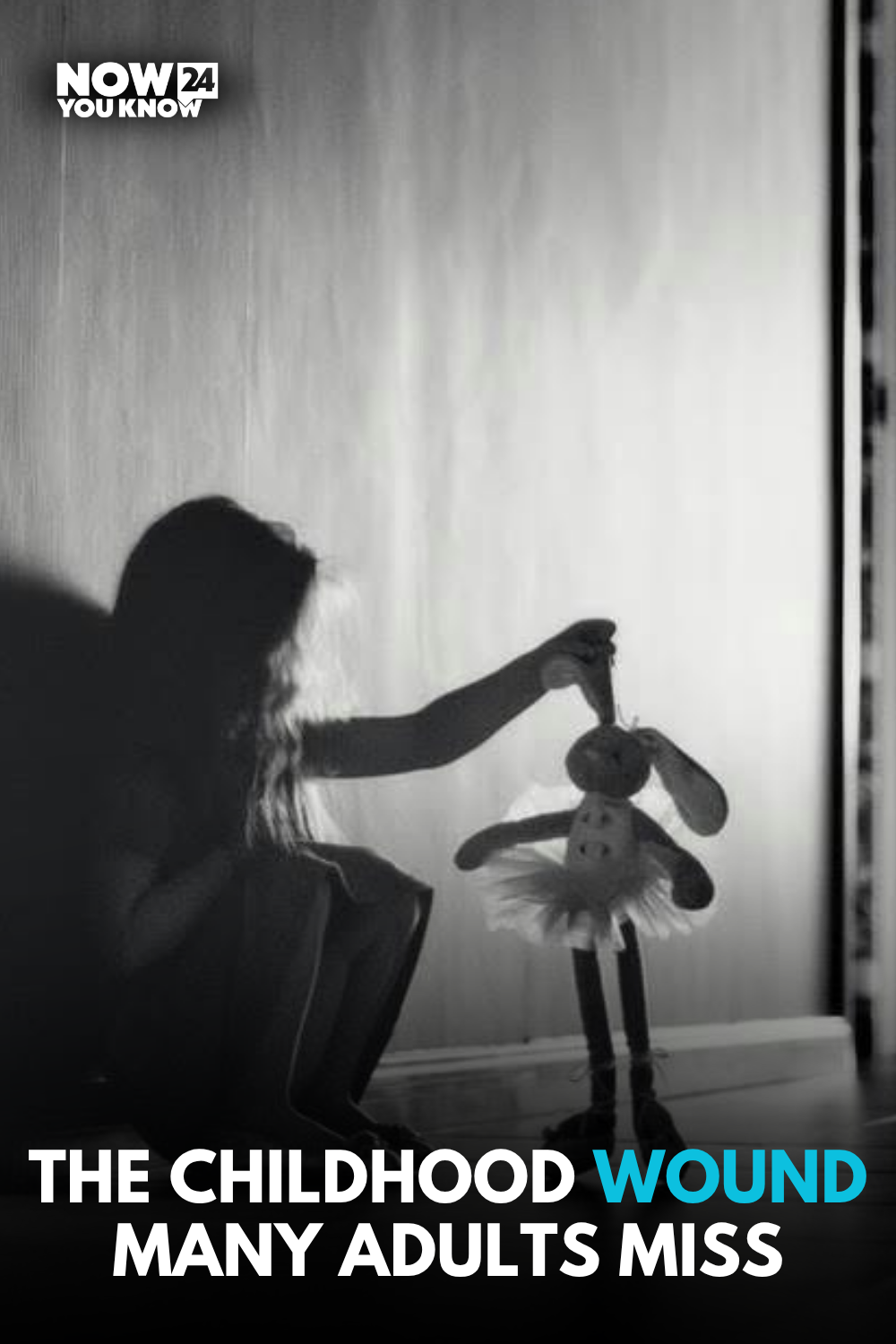

Not all childhood wounds leave visible scars. While emotional neglect may not involve yelling, violence, or obvious abuse, mental health experts say it can have a lasting impact on a child’s emotional development and relationships well into adulthood.
Childhood emotional neglect happens when a child’s emotional needs are consistently overlooked or dismissed. Parents or caregivers may provide food, shelter, and safety, yet unintentionally fail to offer the emotional support a child needs to feel understood, valued, and secure.
What Is Childhood Emotional Neglect?
Emotional neglect occurs when a child’s feelings are repeatedly ignored, minimized, or left unanswered.
For example, a child who shares that they’re upset about something at school may hear, “You’re fine,” or “It’s not a big deal,” instead of receiving comfort or guidance. Over time, the child may begin to believe that their emotions don’t matter and stop expressing them altogether.
Unlike emotional abuse, emotional neglect isn’t always intentional. Some parents simply lack the emotional tools, awareness, or support needed to respond consistently to their child’s emotional needs.
Signs a Child May Be Experiencing Emotional Neglect
The effects of emotional neglect aren’t always easy to spot, especially in the early years. However, experts say children may show signs such as:
- Low self-esteem
- Anxiety or depression
- Withdrawing from friends or activities
- Difficulty expressing emotions
- Aggressive or unusually detached behavior
- Developmental or emotional delays
Because these signs can have many causes, they don’t automatically mean a child is being emotionally neglected. A qualified healthcare or mental health professional can help evaluate concerns.
How Emotional Neglect Can Affect Adults
The impact of childhood emotional neglect often doesn’t disappear with age.
Adults who grew up without consistent emotional validation may struggle to understand, express, or trust their own feelings. They may also find it difficult to build close relationships or ask for support when they need it.
Common long-term effects can include:
- Chronic feelings of emptiness
- Difficulty trusting others
- Fear of emotional intimacy
- Persistent guilt or shame
- Depression or anxiety
- Poor emotional regulation
- Low self-worth
Some people describe feeling as though something is “missing,” even if they can’t identify exactly why.
Why Does Emotional Neglect Happen?
In many cases, emotional neglect isn’t caused by a lack of love.
Parents who struggle with depression, chronic stress, trauma, substance misuse, or their own history of emotional neglect may find it difficult to recognize or respond to a child’s emotional needs.
Without realizing it, these patterns can sometimes be passed from one generation to the next. The encouraging news is that awareness can help break that cycle.
Can the Effects Be Treated?
Yes. Mental health professionals say healing is possible at any age.
Therapy can help both children and adults learn to recognize, understand, and express emotions in healthier ways. Family therapy may also improve communication between parents and children by helping caregivers better understand emotional needs and develop more supportive responses.
Seeking help isn’t about assigning blame. It’s about creating healthier relationships and preventing old patterns from continuing.
The Bottom Line
Childhood emotional neglect can quietly shape the way people view themselves and connect with others for years, even decades. While its effects may be invisible, they are very real.
The good news is that emotional skills can be learned at any stage of life. With greater awareness, supportive relationships, and professional guidance when needed, many people are able to build stronger self-esteem, healthier emotional habits, and more fulfilling connections with those around them.