


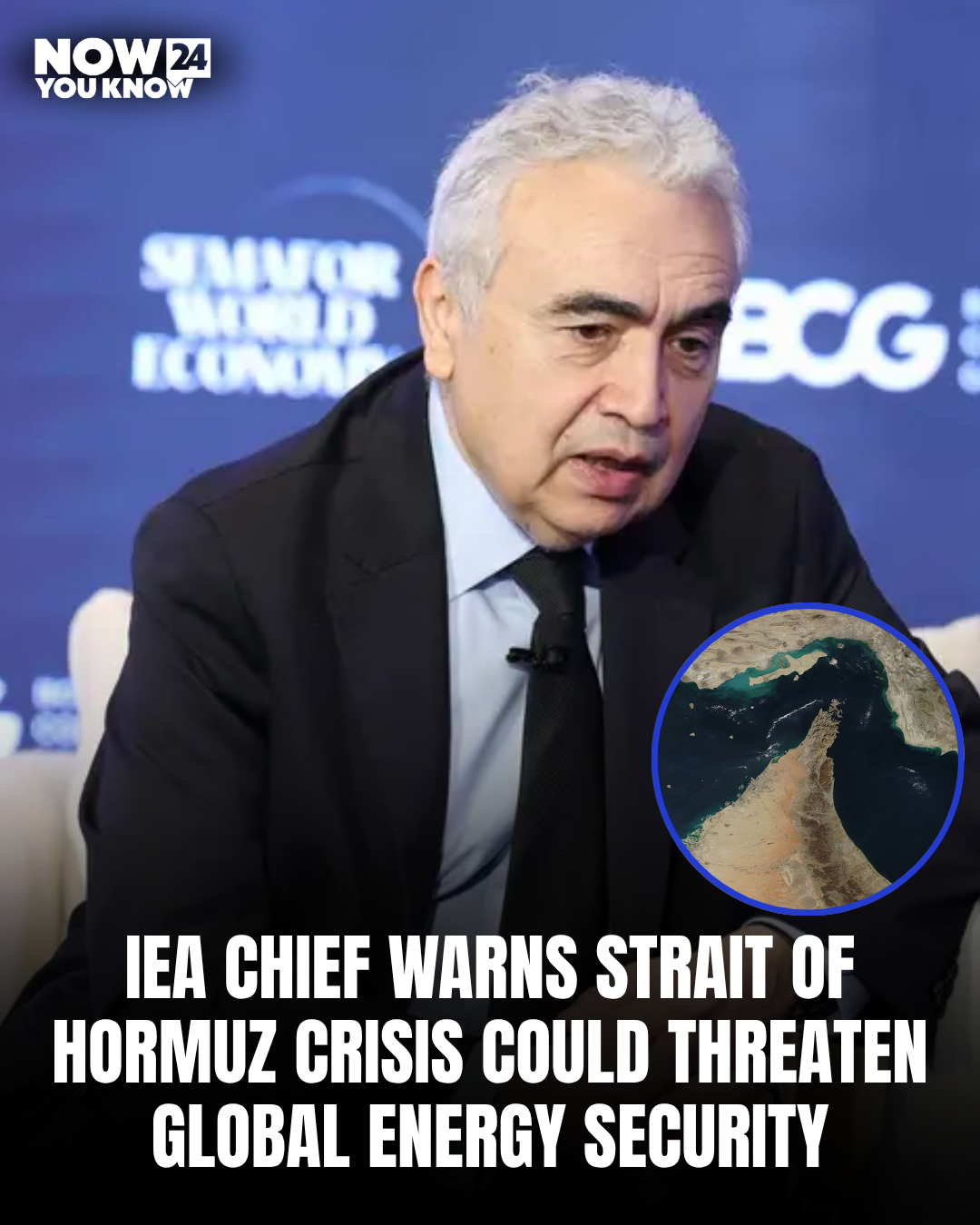

The head of the International Energy Agency (IEA) has warned that growing tensions around the Strait of Hormuz could have serious consequences for global energy markets if the situation does not improve in the coming weeks. The warning comes as military exchanges between the United States and Iran continue to fuel uncertainty in one of the world’s most important oil shipping routes.
IEA Sounds the Alarm
Speaking at an event hosted by the Council on Foreign Relations, IEA Executive Director Fatih Birol said the world should remain concerned about energy security. He stressed that oil security remains a critical issue and warned that prolonged disruption could affect global energy supplies and prices.
Why the Strait of Hormuz Matters
The Strait of Hormuz is one of the world’s busiest energy corridors, with roughly one-fifth of global oil consumption passing through the narrow waterway each day. Any prolonged disruption to shipping in the region can increase uncertainty in international energy markets and contribute to higher oil prices.
Conflict Continues to Escalate
The warning comes amid reports of continued military strikes and retaliatory attacks involving the United States and Iran. Both sides have accused each other of violating previous understandings, while tensions have spread across several countries in the Middle East. Many battlefield claims from both sides remain difficult to independently verify during the ongoing conflict.
Potential Global Economic Impact
Energy analysts say that any sustained disruption to oil shipments through the Strait of Hormuz could have consequences well beyond the region. Higher crude oil prices can influence fuel costs, transportation expenses, inflation, and consumer prices around the world, making the stability of the waterway a key concern for governments and financial markets.
Diplomatic Efforts Face New Challenges
Although U.S. officials have previously said they remain open to diplomacy, the latest escalation has complicated efforts to reduce tensions. Iranian officials continue to insist on protecting what they describe as their sovereign interests in the Strait, while Washington maintains that freedom of navigation remains essential for international trade.