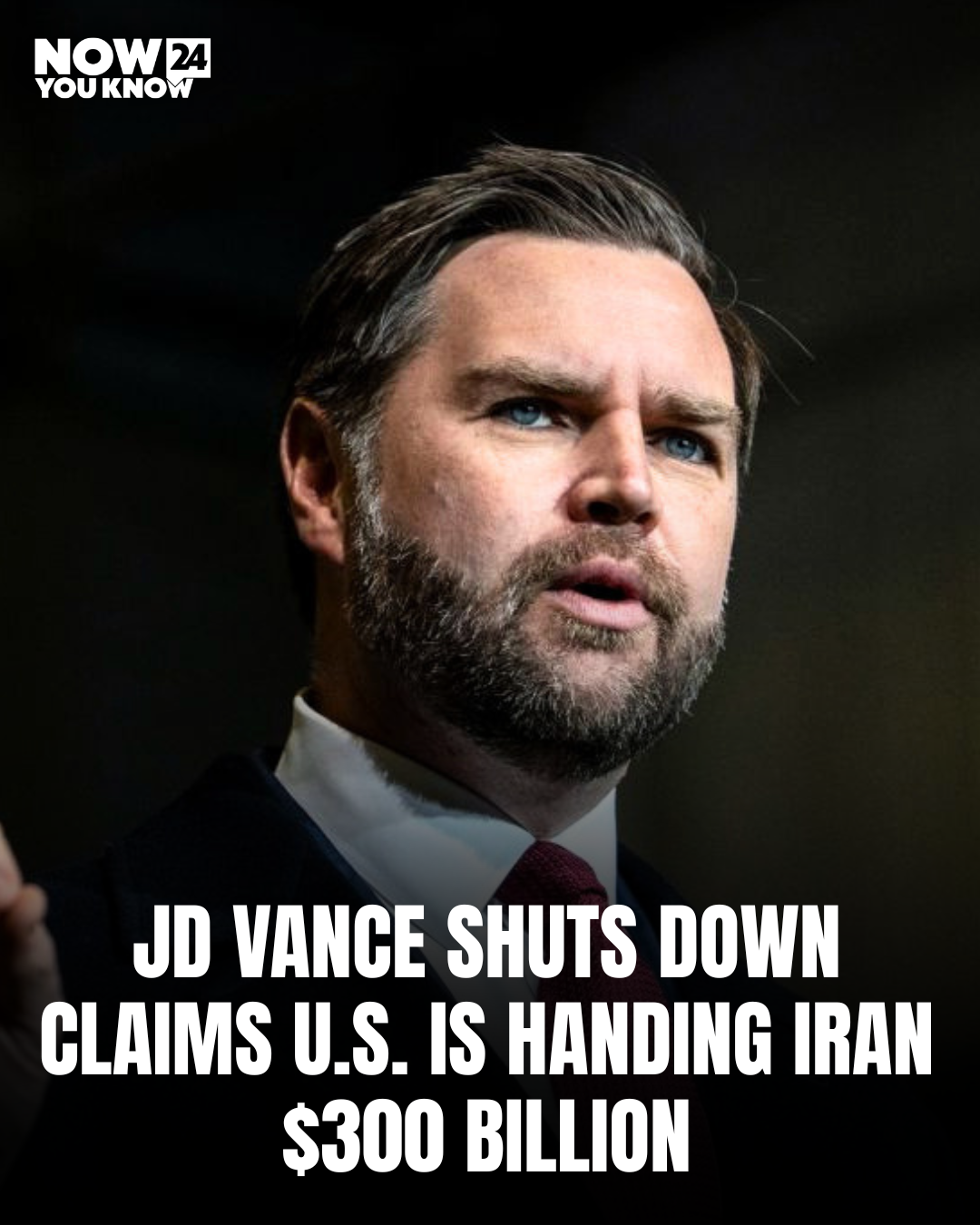

US Vice President JD Vance has rejected claims that the United States is handing Iran a $300 billion reconstruction fund as part of a newly negotiated agreement between Washington and Tehran.
The controversy emerged after reports suggested Iran could gain access to a massive investment fund following a framework agreement aimed at ending recent hostilities and easing economic restrictions. Critics quickly accused the Trump administration of effectively funding Iran.
Vance Says No US Money Is Involved
Speaking on The Megyn Kelly Show, Vance insisted the reports were being mischaracterized. He said the proposal does not involve American taxpayer money, grants, or direct payments to Iran.
Instead, he explained that if Iran complies with the terms of the agreement and changes its behavior, the US could ease certain sanctions, allowing private investors and foreign governments to pursue economic projects inside the country.
Vance used the example of the United Arab Emirates potentially investing in Iranian infrastructure or energy projects if sanctions barriers are removed.
What Is the $300 Billion Fund?
According to reports, the proposed fund would be a private investment vehicle designed to attract long-term investment into Iran’s economy. Sources familiar with the negotiations say companies from the Gulf region, Asia, Africa, South America, and the United States have expressed interest in participating.
The fund would reportedly focus on sectors such as energy, transportation, manufacturing, logistics, and infrastructure development.
Importantly, the proposal is not described as a compensation package, reconstruction payment, or foreign aid program funded by governments.
Why Iran Wants Foreign Investment
Iran has struggled to attract major international investment for decades due to sanctions and restrictions that limited access to global financial markets.
Despite possessing some of the world’s largest oil and natural gas reserves, the country has seen limited foreign capital flow into its economy. Supporters of the proposed fund argue that outside investment could help modernize infrastructure and create economic opportunities.
Analysts note that Iran’s large population, industrial base, and natural resources make it an attractive market if restrictions are eased.
Fund Depends on Final Agreement
Officials familiar with the negotiations say the investment fund does not yet exist and would only be created if a final agreement is successfully reached.
The current framework reportedly provides a roadmap for further negotiations over the coming weeks. During that period, potential investors and administrators would evaluate projects and determine how the fund could operate.
Political Debate Continues
The proposal is already generating fierce debate in Washington. Supporters argue that economic incentives could encourage long-term stability and reduce tensions, while critics contend that easing sanctions could benefit the Iranian government.
For now, administration officials maintain that no American money is being transferred and that any future investment would come from private and international sources rather than US taxpayers.