
Judge Finds Enough Evidence for Trial
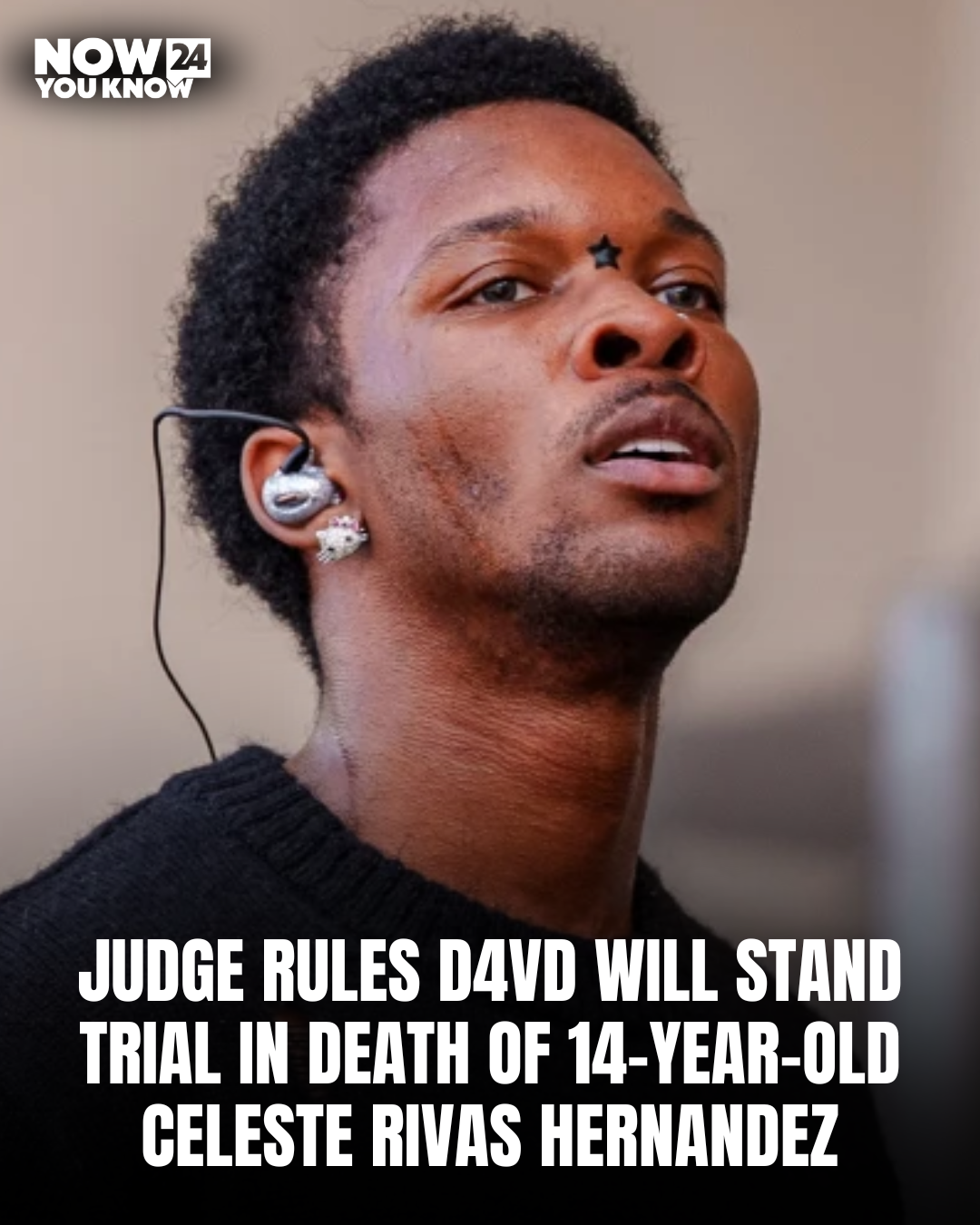
A Los Angeles judge has ruled that there is sufficient evidence for singer D4vd, whose legal name is David Burke, to stand trial in connection with the death of 14-year-old Celeste Rivas Hernandez.
The decision follows a five-day preliminary hearing, during which prosecutors presented evidence and witness testimony. It is important to note that a preliminary hearing is not a trial and does not determine guilt or innocence. Instead, the judge decides whether enough evidence exists for the case to move forward.
Charges Against the Singer
Burke, 21, faces multiple charges, including murder, continuous sexual abuse of a child under the age of 14, and unlawful mutilation of human remains.
He has pleaded not guilty, and his attorneys continue to maintain that he is innocent. If convicted, he could face life in prison without parole or the death penalty, depending on how the case proceeds under California law.
Evidence Presented During the Hearing
During the preliminary hearing, prosecutors introduced evidence that reportedly included text messages, witness testimony, and forensic evidence. The court also heard details regarding the discovery of the victim’s remains.
Prosecutors allege that Burke and the victim communicated over an extended period and claim the teenager was killed after threatening to reveal details of their relationship. These allegations have not been proven in court and will be tested during the trial.
Defense Continues to Deny Allegations
Burke’s legal team challenged portions of the prosecution’s evidence during the hearing and reiterated that their client was not responsible for the teenager’s death.
In an earlier statement, his attorneys said the evidence would ultimately show that Burke “did not murder Celeste Rivas Hernandez” and pledged to vigorously defend him throughout the legal process.
Judge Orders Burke Held Without Bail
Following the hearing, the judge ordered that Burke remain in custody without bail while awaiting trial.
The judge also emphasized that the legal standard at a preliminary hearing is significantly lower than the standard required for a criminal conviction, meaning the prosecution will still need to prove its case beyond a reasonable doubt before a jury.
What Happens Next?
With the preliminary hearing complete, the case now moves toward a full criminal trial, where prosecutors and the defense will present their evidence before a jury.
No trial date has yet been announced, and Burke remains presumed innocent unless and until proven guilty in court.