


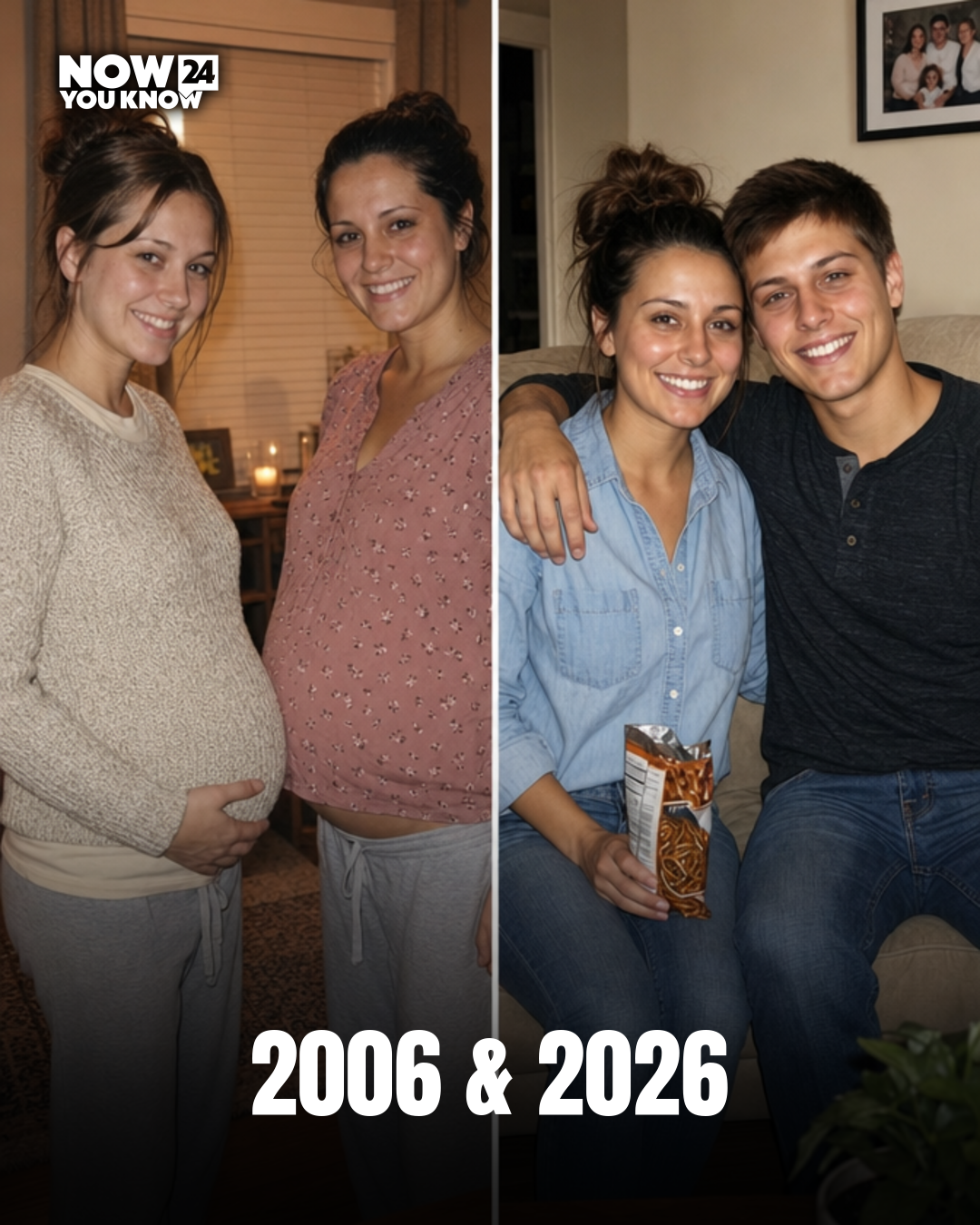

My sister and I were both expecting at the same time; our kids grew up as cousins — until we discovered they were actually twins. This family’s story began with what seemed like a straightforward family tree, only to reveal a complex secret when a DNA test unexpectedly redefined relationships. The two children, raised as cousins, were revealed through modern genetic testing to be biological twins, sparking a profound reevaluation of their family history.
The revelation came as a shock when a routine DNA test showed that Lily’s test identified her as Ethan’s twin sister, despite their upbringing as cousins. This discovery challenged the family’s understanding of their past and their relationships. Initially, disbelief and denial filled the room, with suggestions that the test results must be flawed.
However, the unease only grew as buried memories resurfaced, particularly for Claire, who recalled a hospital moment eighteen years prior when a painful decision was made. The memories involved restrictions placed by Emily’s husband, preventing normal contact with the newborn, and an explanation given to Claire that “it’s better this way.”
As tensions rose, Emily’s visible distress underscored the gravity of the situation and the hidden truths that had long shaped their family dynamic. The emotional strain revealed the complexity behind the seemingly simple family narrative.
At the center of the confusion was the fragile bond between sisters and the secrets they had kept, which now demanded confrontation. The DNA results forced a reassessment of the relationships between the children and a deeper inquiry into what had transpired during the births.
The story remains a poignant example of how advancements in genetic testing can upend long-held beliefs, illustrating the challenges families face when confronting unexpected truths about identity and kinship. The family is now grappling with new questions and the emotional work required to reconcile their past with their present.