
The most dangerous thing an exhausted person can say isn’t ‘I can’t do this anymore.’ It’s ‘I’m fine.’
After fifteen years of clinical practice, I can spot emotional exhaustion in the first thirty seconds of a session. It’s not the people who cry. It’s the ones who have stopped crying—who’ve trained themselves to respond to every question about their wellbeing with a reflexive ‘I’m fine’ while their nervous system screams the opposite.
This is the paradox of burnout that most people miss: the more depleted you become, the less you show it. And that’s precisely what makes it so dangerous.
The Neuroscience of ‘I’m Fine’
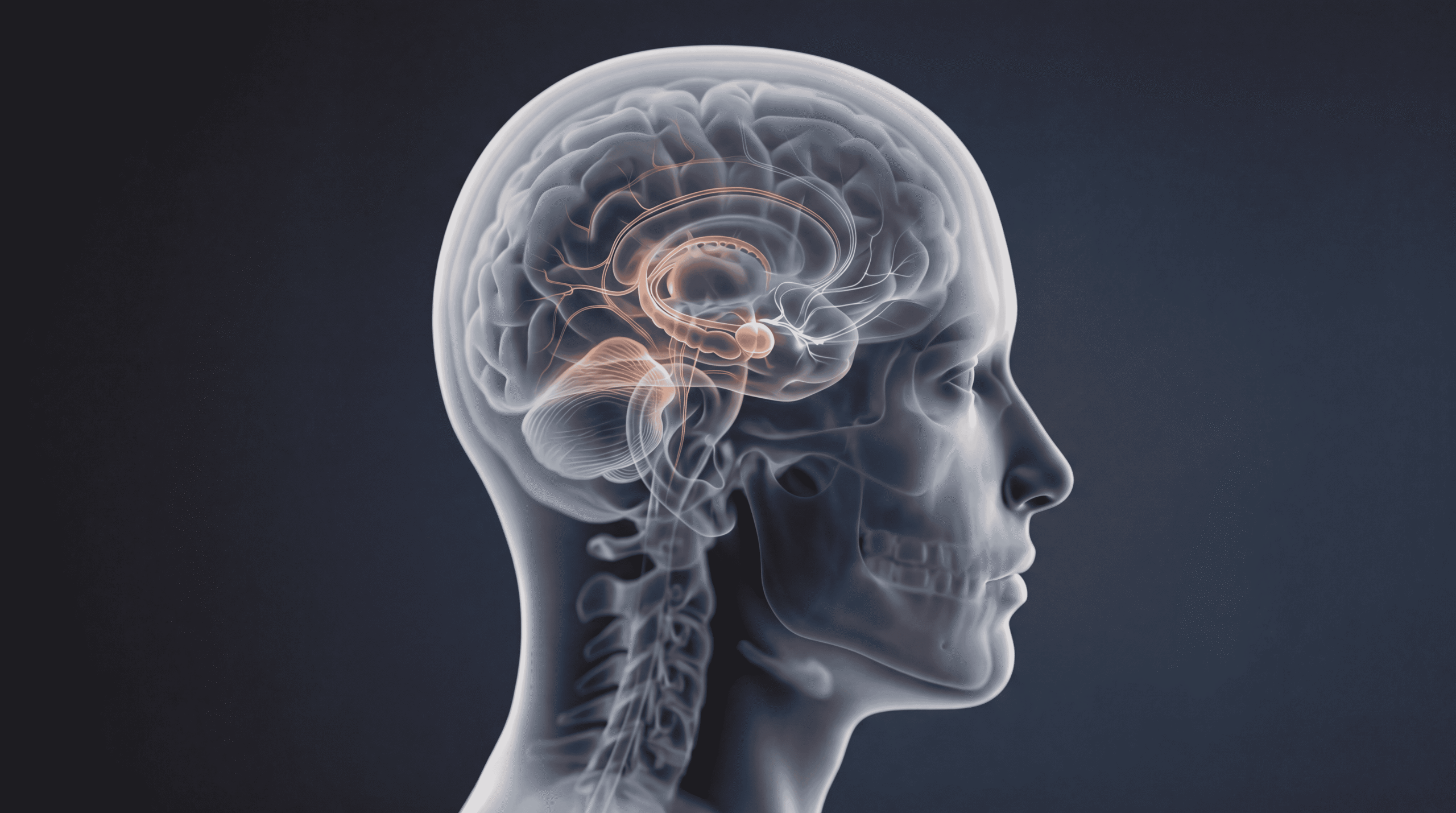
When you say ‘I’m fine’ while drowning internally, you’re not lying—you’re experiencing what we call emotional numbing, a documented symptom of chronic stress and burnout. Your brain has essentially pulled the fire alarm so many times that it’s learned to disconnect it.
Research published in the Journal of Occupational Health Psychology identifies this as a core component of burnout’s emotional exhaustion dimension. According to research from the American Psychological Association, when your stress response system stays activated too long, your brain adapts by dampening emotional reactivity—including the ability to cry, feel joy, or even recognize your own distress.
This isn’t resilience. This is your psychological immune system shutting down.
Dr. Christina Maslach, who created the gold-standard burnout assessment tool, describes this state as ‘depersonalization‘—you start treating yourself like an object that just needs to function. ‘I’m fine’ becomes automatic because you’ve stopped checking in with yourself entirely.
What Burnout Actually Looks Like (Not What Instagram Says)
Forget the social media version of burnout—the aesthetic exhaustion, the ‘I need a vacation’ posts. Real burnout has specific psychological markers, and most of them are invisible.
The World Health Organization’s ICD-11 classification defines burnout through three dimensions: emotional exhaustion, depersonalization, and reduced personal accomplishment. But here’s what that actually means in your daily life:
You stop caring about things that used to matter. Not in a healthy boundary-setting way—in a ‘I can’t remember why I cared about anything’ way. Your hobbies feel like chores. Your relationships feel like obligations. Even your own wellbeing becomes something you know you ‘should’ care about but can’t access the feeling.
You become cynical in a way that surprises you. Burnout activates what psychologists call ‘defensive detachment‘—your brain protects you from more disappointment by assuming everything will fail anyway. You start making jokes about things that aren’t funny. You develop a running commentary of bitter observations. This isn’t your personality; it’s a symptom.
You can’t remember the last time you felt rested. Sleep doesn’t restore you anymore. Weekends don’t restore you. Even vacations just postpone the crash. According to research in Psychosomatic Medicine, chronic stress dysregulates your HPA axis—the system that manages your stress hormones—creating a state of ‘tired but wired’ that no amount of rest can fix.
The Research Says: When ‘Fine’ Becomes Clinical
A 2023 study published in the Journal of Applied Psychology tracked 1,200 workers over three years and found something crucial: people who consistently minimized their exhaustion (‘I’m fine, just tired’) were 3.2 times more likely to develop clinical depression within 18 months compared to those who acknowledged their burnout early.
The mechanism is what I call the dismissal spiral. Every time you tell yourself ‘it’s fine’ when it’s not, you’re training your brain to ignore distress signals. This is the same psychological process that happens in emotional neglect—except you’re doing it to yourself.
Research from PubMed’s 2024 burnout studies shows that this self-dismissal creates what’s called ‘alexithymia‘—the inability to identify and describe your own emotions. You’re not being strong. You’re losing access to the internal warning system that tells you when something is wrong.
Dr. Emily Nagoski, who studies stress and burnout, puts it this way: ‘Completing the stress cycle isn’t optional. Your body will complete it with or without your permission—usually through illness, injury, or breakdown.’
The Dangerous Signs Everyone Misses
Here’s what actually predicts a serious burnout crisis, based on clinical observation and research:
You stop complaining. This sounds counterintuitive, but venting is a release valve. When someone who used to complain goes silent and ‘fine,’ they’ve often given up on the possibility of change. This is learned helplessness—a cognitive state where you’ve stopped believing your actions matter.
You become a different person at work. Psychologists call this ‘surface acting‘—putting on an emotional performance that’s completely disconnected from what you feel. Research in Emotion journal shows this emotional labor is more depleting than the actual work itself. You’re essentially spending eight hours a day lying about your internal state.
You can’t access positive emotions even when good things happen. This is anhedonia—the inability to feel pleasure—and it’s a red flag that burnout has crossed into depression territory. If you got good news this week and felt nothing, or felt nothing beyond fleeting relief, this is your brain telling you it’s conserving resources for survival only.
You have physical symptoms that doctors can’t explain. Tension headaches, digestive issues, chest tightness, chronic pain. According to Psychology Today’s burnout research compilation, your body keeps the score. When your mind dismisses the stress, your body expresses it through symptoms.
You’re making uncharacteristic mistakes. Burnout impairs executive function—the brain’s management system. You’re forgetting appointments, making decision-making errors, losing things. This isn’t early-onset anything; it’s your prefrontal cortex running on fumes.
Why Your Brain Chooses ‘Fine’ Over ‘Help’
There’s a reason emotionally exhausted people default to ‘I’m fine’ instead of asking for help, and it’s not just stubbornness. It’s a cognitive bias called the sunk cost fallacy applied to your own suffering.
You’ve already invested so much in keeping it together—in proving you can handle it, in not being the person who can’t cope—that admitting you’re not fine feels like wasting all that effort. Your brain treats your previous suffering as an investment you need to protect rather than a cost you need to stop paying.
There’s also what I call the comparison trap. You look around and see people with ‘real’ problems—illness, loss, trauma—and convince yourself your exhaustion doesn’t qualify as worth addressing. This is a cognitive distortion. Pain isn’t relative. Your burnout doesn’t need to compete with someone else’s crisis to be real.
And finally, there’s the fear that if you stop saying ‘I’m fine,’ everything will fall apart. This is actually an accurate assessment—but not in the way you think. Everything might fall apart. That’s often what needs to happen. What you’re calling ‘holding it together’ is usually just postponing an inevitable breakdown while making it worse.
The Difference Between Tired and Depleted
Normal tiredness responds to rest. Burnout doesn’t.
If you can take a real day off—no email, no work thoughts, actual rest—and feel restored, you’re tired. If you take a day off and spend it in anxious paralysis, unable to enjoy the break and dreading tomorrow, you’re depleted.
The technical term is ‘recovery inability.’ Research in Stress & Health journal shows that burned-out individuals lose the ability to psychologically detach from work. Even when you’re physically away, your nervous system stays activated. You’re scanning for the next demand, the next crisis, the next thing you’ll need to handle while pretending you’re fine.
This is why burned-out people often feel worse on vacations. The contrast between ‘should be relaxing’ and ‘can’t actually relax’ makes the depletion more obvious. So you come back and go right back to ‘I’m fine’ because at least when you’re working, the state makes sense.
When to Stop Calling It Stress
Stress has a stressor. Burnout has become your baseline.
If you can point to a specific deadline, conflict, or challenge and say ‘once this is over, I’ll feel better,’ that’s stress. If you can’t identify what would need to change for you to feel okay—or if you can identify it but it would require burning your life down—that’s burnout.
The clinical threshold, according to the WHO’s occupational burnout criteria, is when the exhaustion starts impairing your functioning. Not your productivity—your functioning. Can you maintain relationships? Can you take care of basic needs? Can you feel something other than numb or overwhelmed?
If ‘I’m fine’ has become your automatic response while your life is falling apart in ways you can’t admit, you’ve crossed that threshold.
Try This Today: The Reality Check Question
Here’s what I ask patients who’ve trained themselves to say ‘I’m fine’: If your best friend described feeling exactly how you feel right now, what would you tell them?
This bypasses the dismissal spiral. You can’t extend to yourself the compassion you’d automatically extend to someone you care about, so borrow it from that hypothetical conversation.
Would you tell your friend they’re fine? Or would you tell them they’re burning out and need to change something before it changes them?
That answer is your answer too.
Right now, complete this sentence without censoring: ‘If I wasn’t trying to hold it together, I would ___________.’ Whatever comes after that blank is probably what your body has been trying to tell you while your mouth keeps saying ‘I’m fine.’
The most honest thing you’ll ever say might be admitting that you’re not fine—and that saying so isn’t weakness, it’s the first intelligent decision you’ve made in months.