
A Moment Frozen in Time
In 1954, a heartbreaking scene unfolded on a beach that would later become one of the most haunting images in photojournalism history.
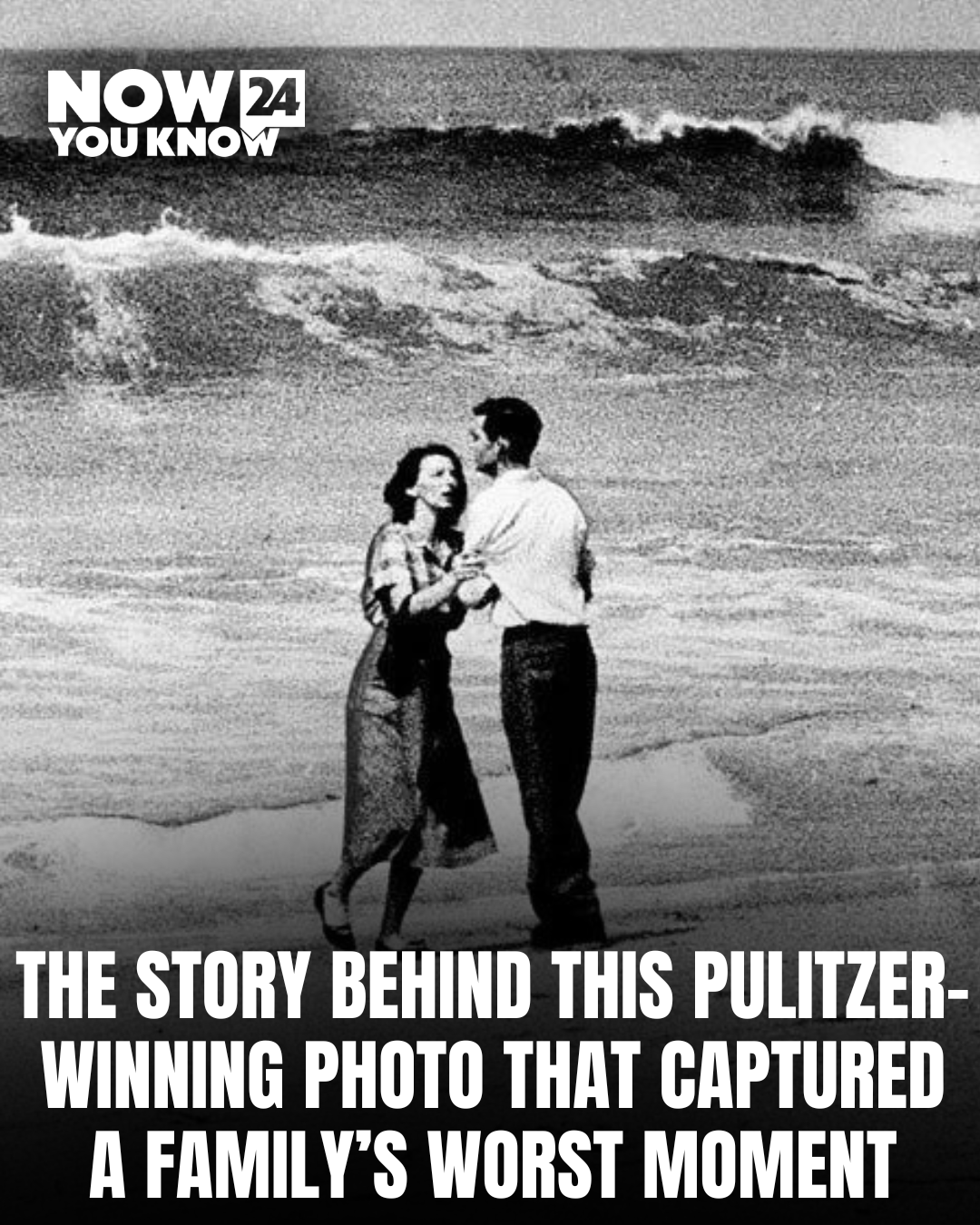
A couple was captured in a moment of shock and grief after realizing their young child had been swept into the ocean by a powerful wave.
The image would go on to win the Pulitzer Prize for Photography in 1955.
The Photograph Known as “Tragedy by the Sea”
The photo is widely known as Tragedy by the Sea, taken by photographer John L. Gaunt Jr.
It shows the emotional aftermath of a sudden accident on the shoreline in Seaside, Oregon, where dangerous surf conditions turned a family outing into a devastating loss.
The Day Everything Changed
According to historical accounts, the family had been visiting the beach when a large wave unexpectedly pulled the child into the water.
Despite immediate panic and response from those present, the situation escalated within moments, leaving the parents in a state of shock as captured by the camera.
Why the Image Became So Famous
The photograph stood out not just for the tragedy itself, but for its raw emotional impact.
It showed grief in its most unfiltered form, without staging or warning, capturing a moment that felt deeply human and universally understood.
A Defining Work in Photojournalism
When it was awarded the Pulitzer Prize in 1955, the image was recognized for its powerful storytelling and emotional weight.
It became one of the early examples of how photojournalism could document real-life tragedy in a way that words often could not.
Ethical Questions Around the Image
Over time, the photo has also sparked discussion about the ethics of photographing moments of personal tragedy.
Questions have been raised about privacy, consent, and how far journalism should go when documenting human suffering.
A Reminder of Nature’s Power
Beyond its journalistic significance, the image also serves as a reminder of the unpredictable force of the ocean and how quickly ordinary moments can turn into life-altering events.
It remains one of the most talked-about photographs in the history of American journalism.